
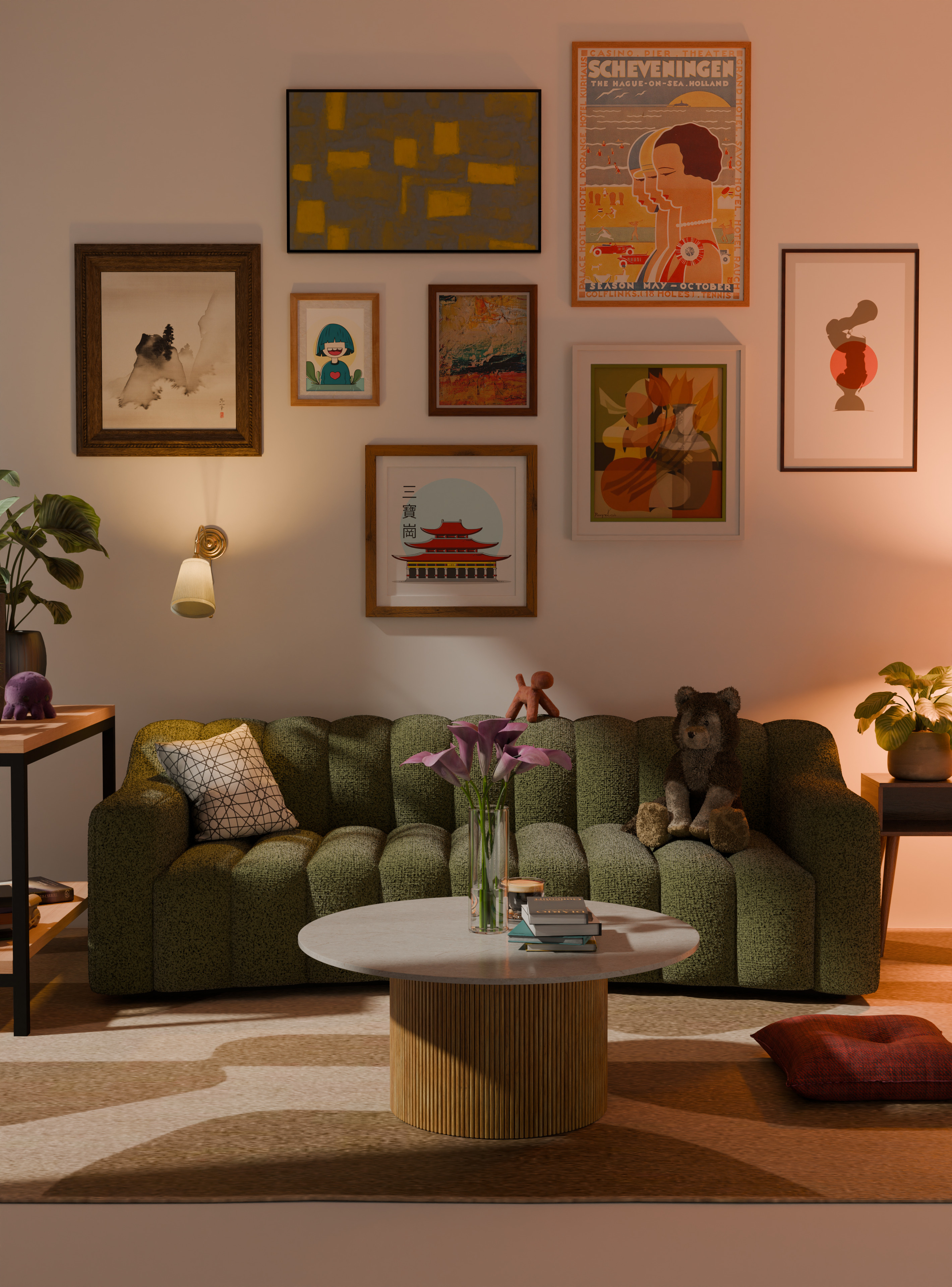
The most inviting room is rarely the one in which everything arrived together. It is the room with a comfortable modern sofa, an older table whose surface has softened through use and a picture that means something to the person who hung it. Nothing needs to announce its value. You understand the room by spending time in it.
The collected home is a compelling interpretation of quiet luxury because it places attention on judgement, usefulness and personal connection. The luxury lies in living with things that suit you, giving them room and keeping them in good order. It can include beautiful new design, but it also makes space for what you already own.
Mixing vintage, modern and meaningful pieces takes a little thought. Different eras do not automatically make an interesting room, and sentiment does not solve a problem of scale. With a clear foundation and a willingness to edit, however, the combination can feel effortless, warm and entirely your own.
Begin with the room you need to live in
Before choosing a style, decide what the room must do. A living space might need to support reading, television, children’s play and a few friends staying for a drink. Those activities establish the furniture and circulation more reliably than a mood board.
Keep the essential pieces comfortable and appropriately sized. A beautiful older armchair is of little use if no one wants to sit in it. An expansive sofa can make a modest room harder to enjoy if it leaves no route to the garden door.
Draw a simple plan and mark doors, windows and the paths people actually use. Then place the largest items. Leave the smaller tables and decorative pieces until you can see what is needed. Our guide to the principles of a well-designed living room offers a useful foundation for this stage.
A collected room still needs a clear structure. When that is in place, unusual pieces have somewhere to belong. The practical decisions become the quiet framework that allows a more varied collection to feel relaxed.

Give one older piece a useful role
An older piece can introduce a different rhythm: a turned leg against a clean-lined sofa, darker timber among pale surfaces or a cabinet with proportions you would not find in a matching furniture range. Begin with one item you can use every day.
That might be a small chest beside a bed, a second-hand dining table or a narrow cupboard in the entry. Think about function before provenance. Open the drawers, examine the joints and check the back and underside. If shopping online, request photographs that show condition rather than relying on a flattering view from the front.
Measure carefully, including access through stairs, doors and lifts. Allow for delivery and any repairs when setting a budget. A bargain becomes less appealing if it cannot reach the room or needs work you had not anticipated.
Choose an older piece for its shape, sound construction and useful surface. If a maker’s identity affects the price, request documentation and informed advice.
Let modern furniture supply ease
Contemporary pieces can give a collected home its everyday comfort. A new sofa with the right seat depth, a well-designed reading light or a dining chair that suits your posture can make older furniture feel more approachable around it.
Choose these pieces for how they work, then consider how their forms relate to the room. Simpler outlines are often useful companions to detailed antiques. A straightforward upholstered chair can sit comfortably beside a cabinet with decorative mouldings because each offers something different.
Avoid making modernity synonymous with a pale palette. A contemporary piece in a deep colour can connect several older objects, while a quiet timber design may settle a room with patterned textiles. The relationship matters more than the label attached to the style.
Our guide to furniture to buy once and keep for life considers the qualities that support a lasting purchase. Look for the details that affect daily use, such as removable covers, accessible fixings or replacement components where available. The best new addition is one you can imagine enjoying alongside the things you already intend to keep.

Find a connection between different periods
A mixed room does not need everything to match, but it benefits from a few visible relationships. Start with one connection: similar timber warmth, a repeated curve or a colour that appears in several places. That thread can draw otherwise unrelated pieces together.
Imagine an older oak table beside contemporary chairs. If the shapes are very different, a shared warmth in the materials may be enough. Alternatively, a dark painted chair can echo the frame of a picture nearby, connecting the dining area to the wall beyond it.
Scale deserves equal attention. A delicate side table may disappear beside a large, low sofa. Something more substantial might provide a better balance, even if it comes from a completely different period. Look at the room from the doorway, where the larger relationships are easiest to read.
Our guide to styling eclectic interiors explores this approach in more detail. If the combination feels unsettled, remove accessories and look again. It is easier to judge the furniture when smaller objects are not interrupting the view. You may need a different arrangement, rather than another purchase.
Make meaningful objects visible, without displaying everything
Meaning can come from many places: family, travel, friendship, making or the simple fact that you have used something for years. A collected home gives those objects a place in everyday life, rather than expecting them to remain packed away until they fit a perfect scheme.
Choose a few things you would genuinely miss. A framed family photograph, a ceramic made by a friend or a bowl brought home from a memorable trip can provide a useful starting point. Place them where their scale makes sense and where you will actually notice them.
Vary the heights within a small group, then leave space around it. A low bowl beside a taller frame gives each object room to register.
Keep some pieces in rotation. Changing a small display occasionally can renew your attention to what you already own and prevent every shelf from becoming full. Meaningful objects deserve more than permanent residence in a crowded line at the back of a bookcase.

Use textiles to soften the meeting of old and new
Cloth is one of the easiest ways to make different furniture styles feel comfortable together. A rug can gather a seating area, curtains can soften the edge of a room and a cushion can connect a chair to an artwork across the space.
Begin with the surfaces that occupy the most area. If a rug has a strong pattern, choose quieter upholstery around it. If the furniture is largely plain, a patterned textile may be the element that gives the room life. Let one lead, then use the others to support it.
Consider texture as well as colour. Smooth timber, a woollen rug, linen curtains and a woven seat each catch light differently. That variation can give a restrained palette depth without requiring more decorative objects.
For ideas that make a room feel richer through small adjustments, explore our guide to making your home feel more luxurious. The point is comfort with definition: enough softness to invite you to stay, with the shapes of the furniture still visible. Avoid covering every older piece simply to make it look more casual.
Distinguish patina from work that needs doing
A softened edge or a gentle variation in colour can be part of an older piece’s appeal. A loose joint, damaged fitting or surface that cannot tolerate its intended use is a practical issue. Looking closely at condition helps you decide what to enjoy and what needs attention.
Before altering a valuable or unfamiliar finish, ask a qualified restorer about the appropriate treatment. Aggressive sanding, stripping or polishing can remove qualities you wanted to preserve. Start by understanding the material and the existing finish.
Older lighting deserves particular care. Have wiring and suitability assessed by a licensed electrician before use, and factor that work into the purchase. A handsome lamp should be dependable as well as attractive.
Keep the seller’s details, documentation and repair records. They help with future care or passing a piece on, allowing the collection to develop continuity through use.

Allow colour to connect the collection
Quiet luxury does not demand a beige room. Muted colour can provide a gentle backdrop for varied furniture, while a stronger shade can give an otherwise disconnected group a clear setting. Choose according to the room’s light and the mood you want.
Look first at what is already present. An older rug may contain a dusty blue that works on a wall; a favourite painting might suggest warm brown or pale pink. Test the colour against the furniture before committing, and check it under evening light as well as daylight.
Our complete guide to choosing paint colours will help you work through undertones and room-to-room relationships. You can also begin with smaller areas if painting is impractical. A curtain, cover or substantial textile can establish a colour family without requiring permanent changes.
Once the larger colours are settled, resist repeating them in every accessory. A few echoes are enough. The room will feel more natural if some objects simply belong because you like them.
Leave the collection unfinished
Leave room for life to change. An unexpected inheritance, a better-proportioned table or a newly discovered artist may suggest the room’s next chapter.
Buy slowly enough to recognise those opportunities. If a corner works perfectly well empty, let it stay that way until there is a reason to change it. If a piece no longer serves you, consider whether it would work elsewhere or be better passed on.
A collected home has coherence, but it does not need a final reveal. Its appeal comes from the steady relationship between old and new, useful and loved. When those choices are made with care, the room can feel beautifully resolved while remaining open to whatever arrives next.

Frequently asked questions about the collected home
What is a collected home?
A collected home brings together pieces acquired over time: useful modern furniture, older finds and objects with personal meaning. Its character comes from the relationships between them.
How do I mix vintage and modern furniture?
Look for a shared colour, proportion or material, then allow differences in shape and detail. Comfortable seating and clear pathways give the combination a practical foundation.
Can I create a collected home on a budget?
Begin with what you own. Reposition inherited pieces, frame a favourite photograph and shop second-hand for a specific need. Buy slowly, allowing for delivery and repairs before deciding what represents good value.
Leave a Reply