
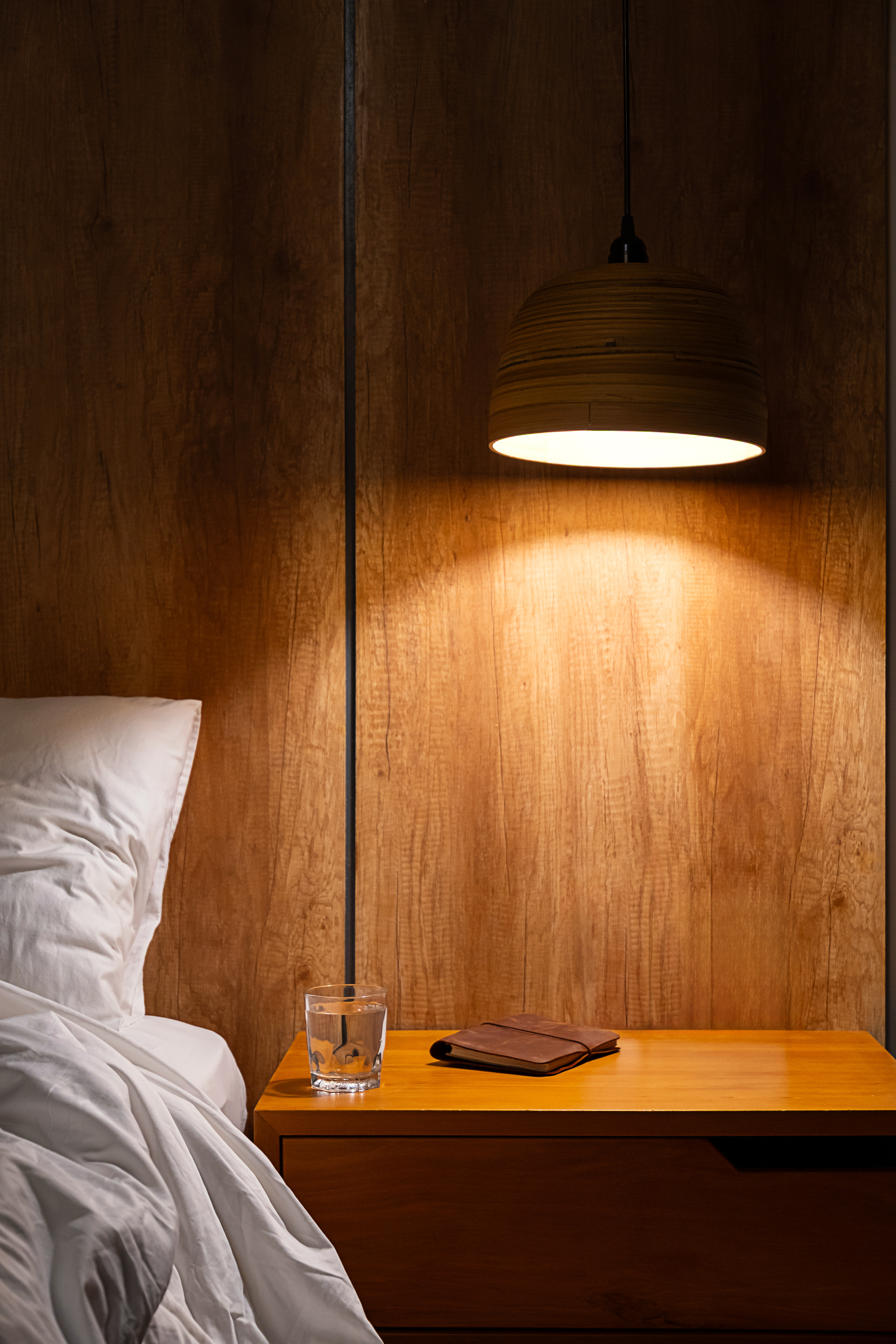
A light fitting can change a room before it is switched on. Its silhouette interrupts an empty ceiling, its material catches the daylight and its position establishes a relationship with the furniture below. After dark, the same object takes on a second life. Glass glows, a paper shade becomes a luminous volume and a metal armature draws its shape more sharply against the surrounding space.
This double presence explains the appeal of statement lighting as a central decorating decision. A fitting can provide the visual focus that might otherwise come from a painting or sculpture while also contributing to the room’s use. Lighting offers a particularly direct way to make that area feel considered.
Calling lighting the new art is a way of describing how much expressive weight it can carry. A lamp does not need to displace a painting, and a beautiful pendant does not automatically make a good lighting plan. The interesting opportunity is to choose a fitting with the care normally reserved for an important object, then give it a setting in which its form and its light can both succeed.
Why statement lighting has such a strong presence
Lighting occupies positions that other furnishings rarely reach. A pendant sits within the room’s upper volume, a wall fitting can define a vertical surface and a floor lamp can add height beside low seating. These positions allow a relatively small object to influence a large view. It may become visible from the doorway long before the detail of a sofa or rug registers.
Suspension also gives an object a particular kind of freedom. A branching chandelier or a softly rounded shade can create a shape that seems to float between the ceiling and table. The space around it becomes part of the composition. This is one reason a restrained room can carry an expressive light without requiring equally elaborate furniture everywhere else.
The effect depends on context. A complex fitting against a busy ceiling can lose its shape, while a quiet ceiling gives the silhouette a readable background. Look at beams, cornices, ventilation grilles and other existing elements before deciding. The ceiling is already a composition, and the new fitting needs to participate in it.
Lighting and sculpture have a long relationship
The idea of a lamp as sculpture has an important precedent in Isamu Noguchi’s Akari. The Noguchi Museum’s history of these light sculptures traces their beginning to 1951 and describes their washi paper and bamboo construction. Their relevance is partly the way a delicate material becomes a convincing volume through both shape and illumination.
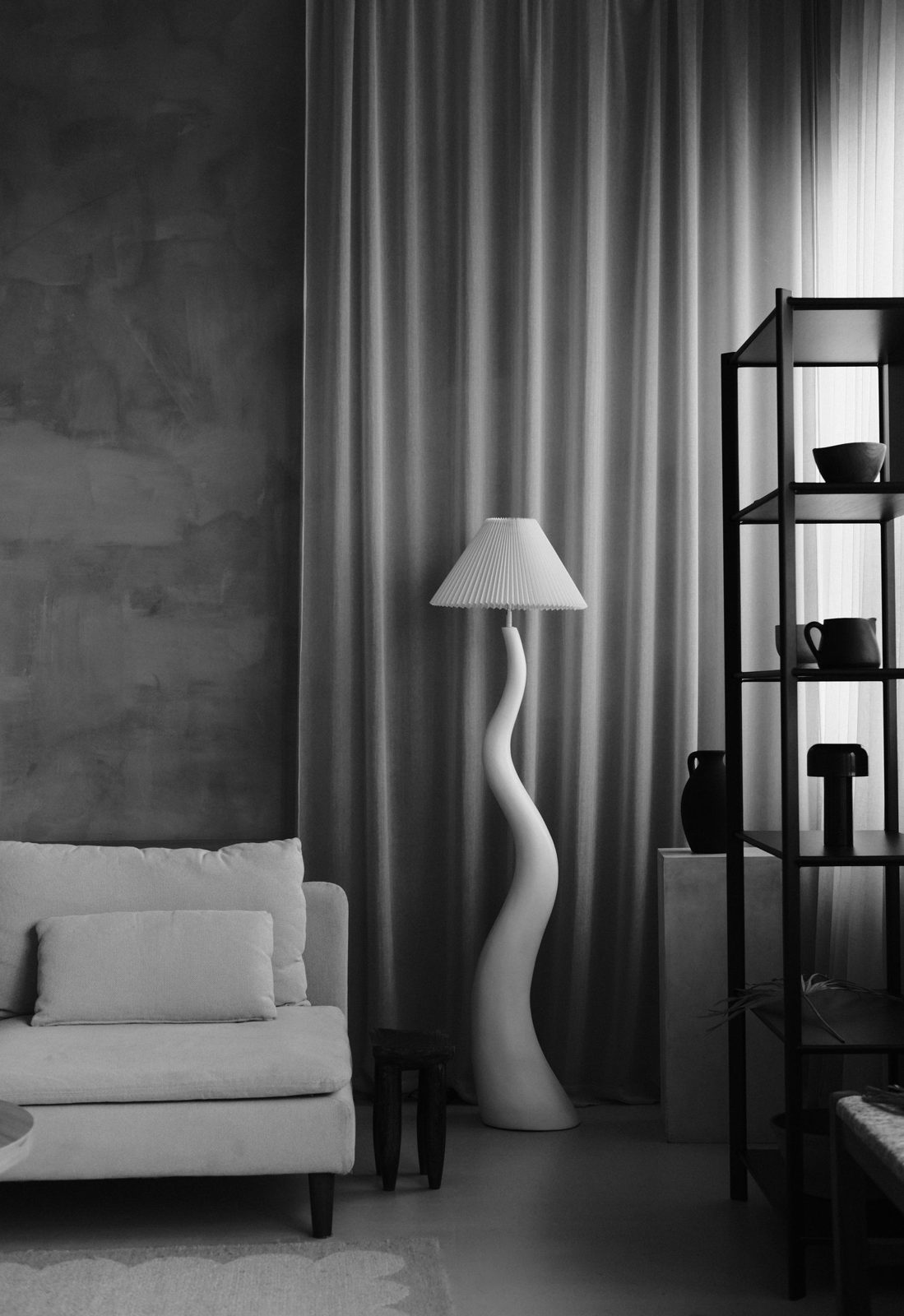
This reference offers a useful principle for contemporary rooms: visual presence need not come from weight or ornament. A light, translucent form can be as commanding as a substantial metal fixture. The object can feel expressive because of its outline, scale and relationship with the air around it, even within a very restrained palette.
Different design languages provide other possibilities. The graphic geometry associated with Art Deco can give a room a more formal rhythm, while simpler modernist forms make function and construction easier to read. Choose the quality that suits the architecture rather than treating a historical style as an entire room costume.
Choose a focal point before choosing a fitting
Decide where the room needs emphasis. A dining table often provides a natural centre because its position is stable and its activity is clear. In a living room, the most useful focus may sit beside a reading chair or above a group of furniture rather than at the geometric centre of the ceiling. A fitting should relate to the room people inhabit.
Examine the view from adjoining spaces. An object that looks balanced beneath a ceiling rose may appear awkward through the doorway if the table sits elsewhere. Align the light with the intended activity and consider how the ceiling connection can be resolved appropriately. This is a detail to plan with the installer before the fitting is ordered.
Give the statement room to register
If a ceiling light has an expressive shape, let nearby fittings be quieter. A sculptural floor lamp can have more impact beside a simple sofa than beside several equally emphatic objects. ELE Home’s guide to choosing a statement coffee table offers a useful parallel: the furniture around an important piece determines how clearly its character is seen.
The art and the lighting can also support one another. A pendant might repeat the curved line of a painting without copying its colour. A matte ceramic lamp can offer a useful counterpoint to framed photography. Aim for a relationship that rewards looking, with enough difference for each object to retain its own identity.

Scale is a question of volume as well as diameter
A wide fitting with a delicate frame can appear lighter than a smaller solid shade. Conversely, a dark closed form can seem visually heavy even when its dimensions look modest on a specification sheet. Evaluate the object’s total volume, material and degree of openness. Those qualities determine how much of the view it occupies.
Mock up the approximate size in the room using paper or a temporary shape, keeping the exercise safely clear of electrical fittings. View it from the entrance and from the seating. Over a table, assess the relationship between the tabletop and the light’s spread. In an open route, account for the actual ceiling height and required clearance rather than relying on a decorative rule.
The hanging height should serve the room
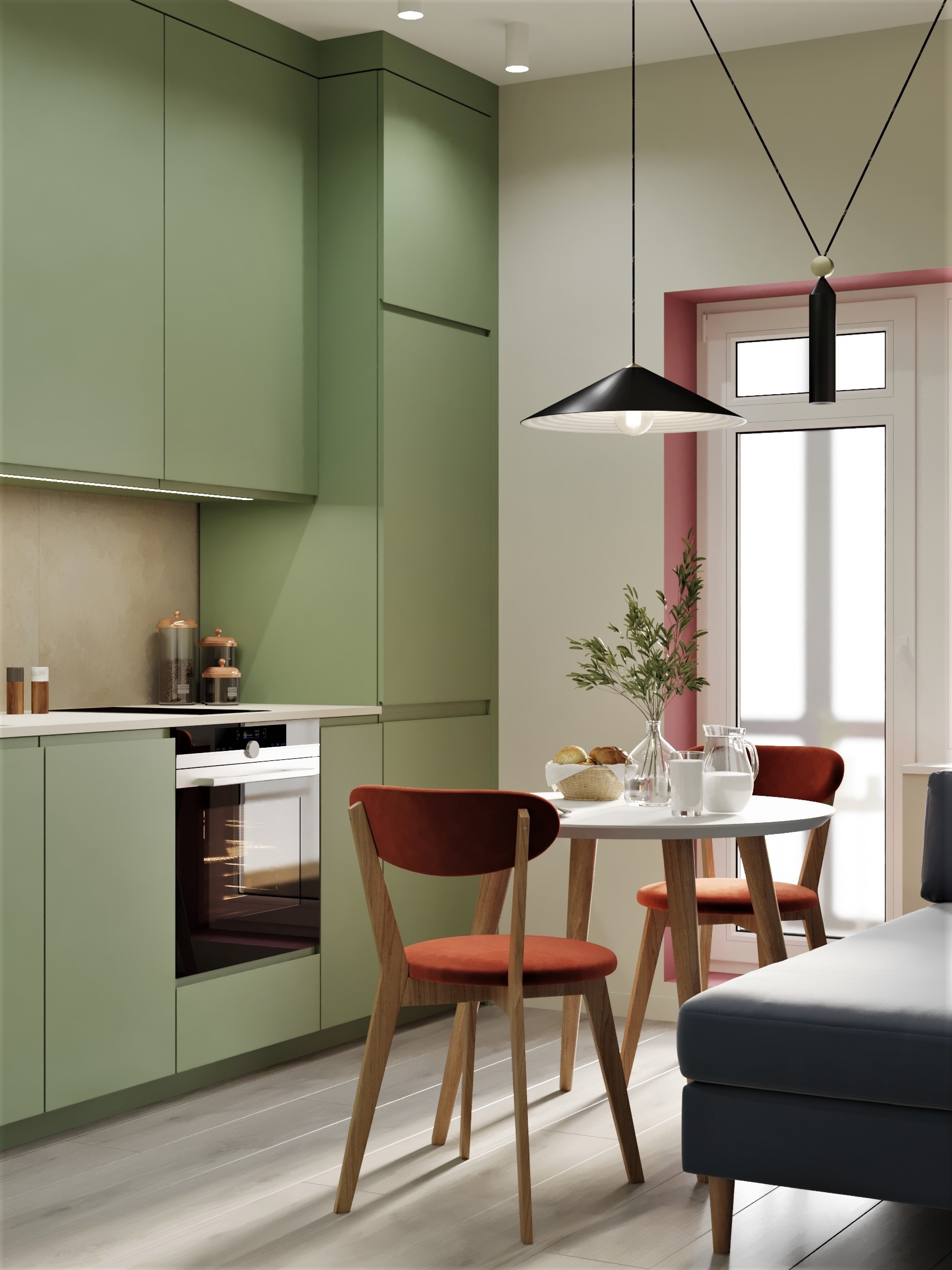
A pendant above a dining table can sit lower than one above a circulation route, but it still needs to preserve comfortable sightlines. Sit at the table and look across to another seat. Imagine the shade at the proposed height, then consider whether the bright source will be visible. The right position allows conversation, useful illumination and a clear view of the fitting itself.
Follow the manufacturer’s installation and clearance requirements, including those for heat and ceiling support. An unusually heavy light may require more than an ordinary fixing point. The decorative decision becomes more convincing when these technical conditions are resolved early, allowing the object to look effortless because its installation has been properly planned.
Material determines both appearance and light
Glass can make a fitting feel light and reflective in daylight, then become luminous after dark. Clear glass may expose the bulb and increase the importance of controlling glare. Opal or other diffusing glass gives a different effect, softening the source and creating a more continuous glow. Look at an illuminated sample as well as the unlit object.
Metal provides sharper edges and a clearer sense of construction. A brushed surface can feel quieter than a highly polished one, while an opaque shade may direct much of its light downwards. Consider what happens above the fitting as well as below it. A beautiful dark pendant can leave the ceiling unexpectedly unlit if it is the room’s only source.
Ceramic, paper and woven materials introduce texture and a more tactile character. Their thickness and construction affect transmission, so two similar-looking shades may produce very different light. Read the fitting’s specifications and see it operating where possible. Treat material as part of the lighting behaviour, rather than an appearance chosen independently from the practical result.

A statement fitting needs a supporting lighting plan
A pendant can define the room while other sources make it usable. The dining area may need light on the table and a softer source elsewhere so the surroundings do not disappear. A living room may require a reading lamp, general illumination and light near a cabinet.
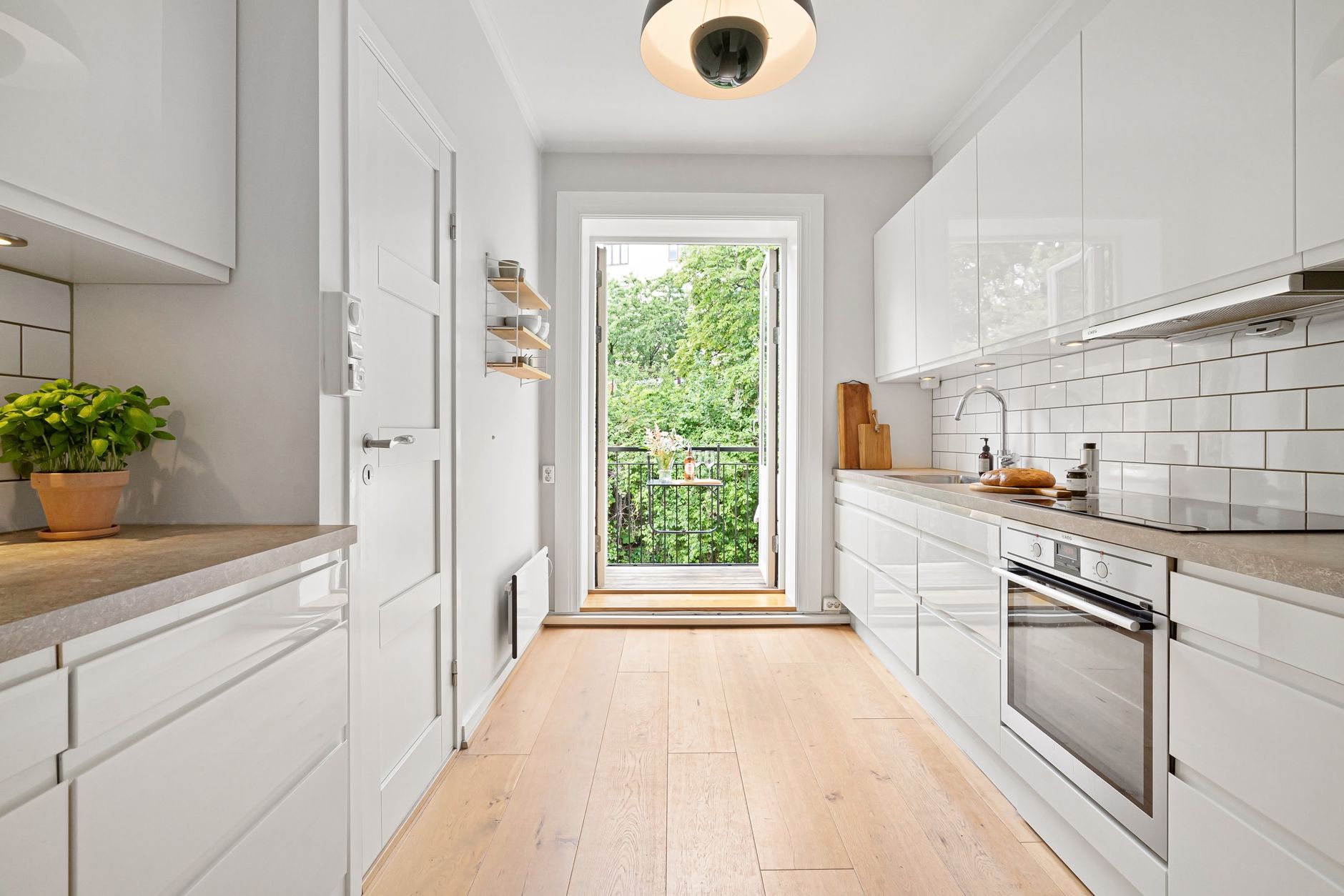
Think about the activity before the fitting. Reading requires light where the book is held, while conversation benefits from an atmosphere that does not feel exposed. In a kitchen, decorative pendants should work alongside properly planned task lighting. Test the complete arrangement at night, when reflections and glare become more apparent than they were in the showroom.
Check bulb, driver and dimmer compatibility before purchase. Where a fitting has an integrated light source, ask about replacement or repair options and the availability of components. A beautifully made object deserves to remain useful. Its serviceability is part of the design decision, particularly when the installation itself involves substantial work.
Let colour and surface finish frame the object
A ceiling light can become more legible against a paint colour chosen to support it. A pale paper shade may have greater definition against a muted coloured ceiling than against an equally pale background. A dark metal form can read clearly in a light room, while a warmer surrounding palette may soften its industrial character.
Consider the wall and ceiling together. Colour drenching can create a continuous envelope around a sculptural fitting; a contrasting ceiling defines a separate plane above it. Our comparison of colour drenching and colour capping is useful when deciding how much emphasis that upper surface should carry. Test colour beneath the actual light, as its appearance will change when illuminated.
Texture can also create a subtle backdrop. A softly varied plaster surface gives a simple fixture something to relate to, while strong wallpaper may demand a quieter silhouette. Let one element lead. The room gains sophistication when the relationships are clear enough that each material can be appreciated without competing for the entire view.

Statement lighting works at a modest scale too
A small room can benefit from a distinctive light if its form suits the proportions. A slender floor lamp, an expressive table lamp or a pendant with visual openness may provide all the emphasis required. Choose according to the location and available surface area. A large shade that obstructs a route is unlikely to feel generous, however beautiful it is.
Portable lighting offers useful flexibility, particularly for renters and rooms that evolve. A plug-in lamp can move with the furniture, provided cables are routed safely and the fitting is suitable for its location. Wall lights need more planning because their position relates to the seating and electrical supply. Our small living room ideas offer further ways to assess scale within a compact space.
There is also room for an existing lamp to acquire a stronger presence. A suitable replacement shade may change its proportion or soften its light, provided it meets the fitting’s requirements. Place it where its height and silhouette contribute to the room. An object does not have to be newly bought to become a focal point.
Buy the light as an object you expect to keep
Examine the fitting closely. Look at the finish where pieces meet, the quality of the shade and how components are held together. Ask about installation, cleaning and servicing, including access to replaceable lamps or drivers. The details that are difficult to photograph often determine whether the object continues to feel satisfying after the initial excitement has passed.
Allocate the budget across the complete lighting plan. One compelling feature surrounded by useful, simpler sources may be more successful than several expensive fittings chosen without a clear purpose. Allow for installation and the necessary controls. The final result depends on where the light falls and how easily the room can be used, as well as on the object hanging above it.
The best statement lighting carries conviction in both daylight and darkness. Its form makes sense within the architecture, its material rewards a closer look and its illumination supports ordinary life. Chosen that way, a lamp becomes an object with an enduring place in the home: something encountered repeatedly, appreciated differently and used every day.
Frequently Asked Questions
What is statement lighting?
Statement lighting is a fitting chosen to make a clear visual contribution through form, scale, material or placement. It may be a pendant, chandelier, floor lamp, table lamp or wall light. Its expressive role should work alongside the room’s practical lighting needs, rather than replacing them.
Can a statement light replace artwork?
It can provide a room’s main visual focus, particularly where wall space is limited. It can also sit comfortably alongside art when the two have a considered relationship. Assess the whole composition and allow quieter surrounding surfaces so each object has enough space to register.
How do I choose the right size pendant?
Consider its volume, openness and material alongside its dimensions. Mock up the approximate scale and view it from the doorway and seating. Relate the fitting to the furniture beneath it, preserving sightlines and following the manufacturer’s installation and clearance requirements for the intended location.
Is statement lighting suitable for small living rooms?
Yes. A distinctive table lamp or slender floor lamp can give a small room useful emphasis. Avoid fittings whose shade or base obstructs circulation. Check glare from the sofa and provide other light where needed. The fitting’s visual weight matters as much as its footprint.
What should I check before buying a sculptural light?
Check illumination, glare, bulb or driver replacement, dimmer compatibility, cleaning and installation requirements. View the fitting lit and unlit where possible. Confirm that its scale suits the room and that it can be supported appropriately. A striking shape should remain practical to use and maintain.
What to Read Next
For the room’s wider composition, read How to Style Eclectic Interiors.
To explore illumination alongside daylight, continue with How to Maximise Light in Your Home.
For an enduring approach to the objects you live with, explore Furniture That Lasts.
Leave a Reply