
There was a time when painting a room meant choosing one safe wall colour and calling it a day. Now, colour is doing far more than sitting politely in the background. It is shaping mood, altering proportions, and completely transforming how a space feels.
Two of the biggest paint trends right now are colour drenching and colour capping. Both are bold in their own way, but they deliver very different results. So which one actually suits your home? Let’s break it down properly.
What Is Colour Drenching?
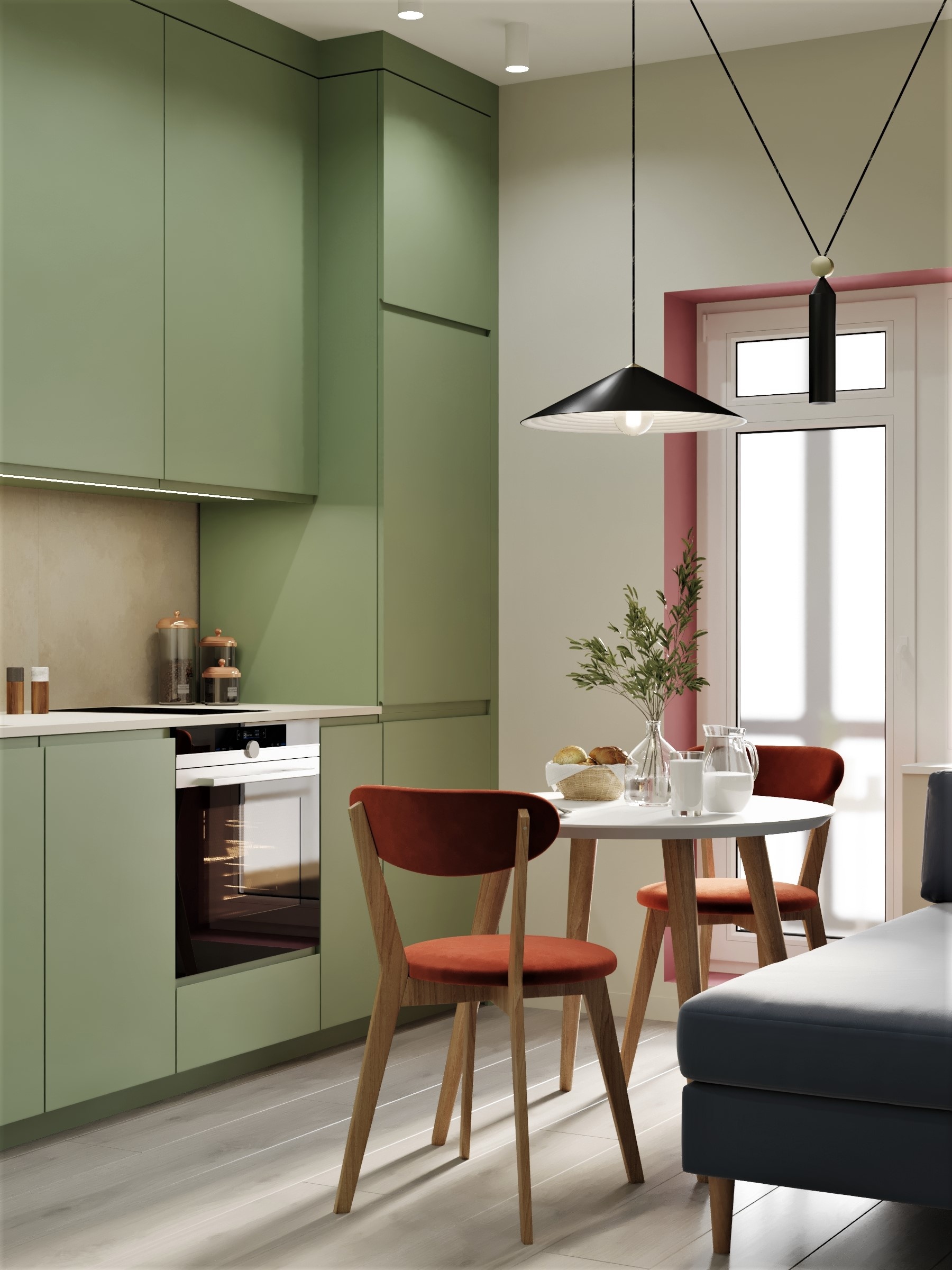
Colour drenching is exactly what it sounds like. One colour, applied generously across walls, trims, doors, sometimes even ceilings. Instead of contrast between white skirting boards and coloured walls, everything blends into one seamless tone. The result is immersive and cocooning.
It works particularly well with:
- Deep earthy tones
- Muted greens
- Rich browns
- Warm neutrals
- Moody blues
By removing harsh visual breaks, colour drenching makes a room feel intentional and enveloping. It softens edges and gives even simple spaces a sense of drama.
Why People Love It
Colour drenching creates atmosphere instantly. It feels considered, layered, and designer-led. In smaller rooms, like studies, bedrooms, or powder rooms, it can feel especially luxurious. The walls disappear into the background, allowing furniture and texture to stand out.
It also works beautifully in homes with strong architectural details. When trims and doors are painted the same shade as the walls, the space feels unified rather than chopped up.
When It Works Best
- You want a cosy, intimate mood
- Your room has good natural light
- You are working with rich, earthy or muted tones
- You want a high-end, editorial feel

What Is Colour Capping?
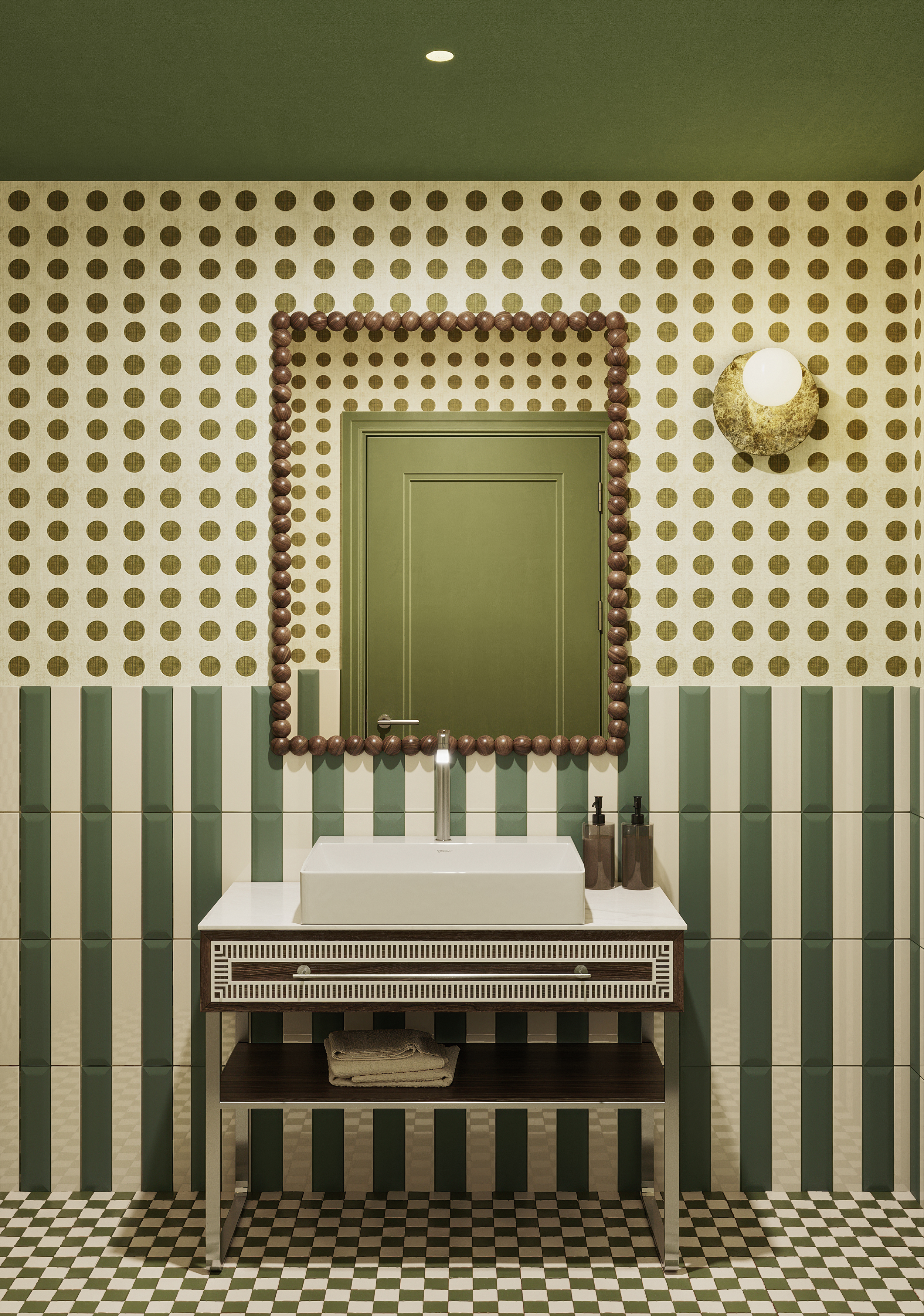
Colour capping takes a different approach. Instead of drenching the entire room in one shade, colour capping introduces contrast by painting the ceiling or upper portion of the wall in a different colour. Sometimes the lower section stays neutral. Sometimes the ceiling becomes the hero.
It is a more architectural way of using paint. Rather than blending everything together, it highlights structure.
You might see:
- A deep ceiling above neutral walls
- A painted band wrapping around the upper third of a room
- A soft tone above a darker base
- A ceiling painted in a warm shade to visually lower height
Why People Love It
Colour capping can completely change how a room feels proportionally. Dark ceilings can make large, tall rooms feel more intimate. Light ceilings above darker walls can create lift and balance.
It is also ideal if you want to experiment with colour but are not ready to commit to full drenching.
When It Works Best
- Your ceilings feel too high or too stark
- You want to highlight architectural features
- You are styling a contemporary or minimalist space
- You prefer contrast over immersion

The Mood Difference
This is where the decision becomes clearer. Colour drenching feels soft, immersive, and emotionally warm. It is about atmosphere.
Colour capping feels graphic, structured, and directional. It is about proportion and visual interest. One wraps around you. The other draws your eye upward or across. Neither is better. They simply serve different purposes.
What About Small Spaces?
For small rooms, colour drenching can work surprisingly well. Instead of breaking up walls with white trims and ceiling lines, one continuous colour can make the room feel more seamless.
That said, colour capping can also be clever in compact areas. Painting the ceiling slightly darker can create intimacy, while keeping walls lighter prevents heaviness. The key is balance.
What About Open Plan Homes?
Open plan living spaces benefit from clarity. Colour drenching can define zones subtly without adding partitions. A dining nook drenched in a warm shade can feel distinct from a living area without physically separating it.
Colour capping can help break up vast white ceilings, especially in modern homes with high vertical space. A warmer ceiling tone can add comfort to otherwise expansive areas.
Texture Matters More Than You Think
Both trends rely on more than just colour. Matte finishes create softness. Satin finishes add subtle light reflection. Pairing paint with textured elements, boucle, timber, linen, ceramic, prevents the room from feeling flat. The richer the tone, the more important texture becomes.
How to Choose the Right Trend for You
Ask yourself three things:
- Do you want your room to feel enveloping or structured?
- Are you confident committing to one bold tone?
- What is the natural light like in your space?
If you love moody, cocooned spaces and layered warmth, colour drenching will likely suit you. If you enjoy architectural contrast and subtle experimentation, colour capping might feel more comfortable.
Frequently Asked Questions
What is the difference between colour drenching and colour capping?
Colour drenching involves painting multiple surfaces in the same colour, including walls, trims, doors, and sometimes ceilings. The goal is to create a seamless and immersive look. Colour capping, on the other hand, introduces contrast by painting the ceiling or upper section of the wall in a different colour. It focuses more on architectural structure and visual balance.
Is colour drenching suitable for small rooms?
Yes, colour drenching can work surprisingly well in smaller spaces. Using a single colour across walls, trims, and ceilings removes visual breaks, which can actually make the room feel more cohesive and spacious. Rich or muted tones often create a cosy, enveloping atmosphere that works particularly well in bedrooms, studies, or powder rooms.
When should you use colour capping in a room?
Colour capping works best in rooms with high ceilings or spaces that feel visually empty above eye level. Painting the ceiling or upper wall in a different colour can create better proportions and add interest without overwhelming the room.
Does colour drenching make a room feel darker?
Not necessarily. While deeper shades can create a moody atmosphere, colour drenching can still feel balanced if the room has good natural light. Choosing warm tones or softer earthy colours can help maintain brightness while still creating depth.
What colours work best for colour drenching?
Muted, rich tones tend to perform best with colour drenching. Popular choices include deep greens, earthy browns, warm neutrals, dusty blues, and soft clay shades. These colours create depth while still feeling calm and sophisticated.
What colours work best for colour capping?
Colour capping works well with contrasting but complementary shades. For example, pairing neutral walls with a deeper ceiling colour can add warmth and visual structure. Soft tonal contrasts also work beautifully in modern interiors.
Can colour drenching work in modern homes?
Yes, colour drenching can work beautifully in modern interiors. It can soften minimal spaces and make them feel more inviting. When paired with natural materials such as timber, linen, or stone, it creates a balanced and contemporary look.
Is colour capping a good idea for open plan spaces?
Colour capping can be a great solution for open plan homes. It can help visually define zones or add interest to large areas with high ceilings. A painted ceiling or upper wall band can bring warmth and dimension to expansive living spaces.
Do paint finishes matter for these trends?
Yes, the finish can significantly affect the final result. Matte finishes create a soft, velvety look that works well with colour drenching. Satin or eggshell finishes can reflect more light and are often used on trims or ceilings for subtle contrast.
Which paint trend is more timeless?
Both colour drenching and colour capping can be timeless when executed thoughtfully. Colour drenching tends to feel more classic and immersive, while colour capping offers a more architectural and contemporary aesthetic. The right choice depends on the mood and proportions you want to create in your space.

The Wrap
Paint is no longer just background. It is a design decision that shapes the entire mood of a home. Colour drenching delivers depth, warmth, and a polished, immersive look. Colour capping offers proportion play, contrast, and modern visual interest.
The best part is that neither requires a full renovation. A few litres of paint and a clear vision can completely reset your space for the season.
If you are refreshing your home this autumn or winter, consider how you want it to feel before choosing how to paint it. Warm and cocooned, or structured and dynamic. That answer will guide everything.

Leave a Reply