
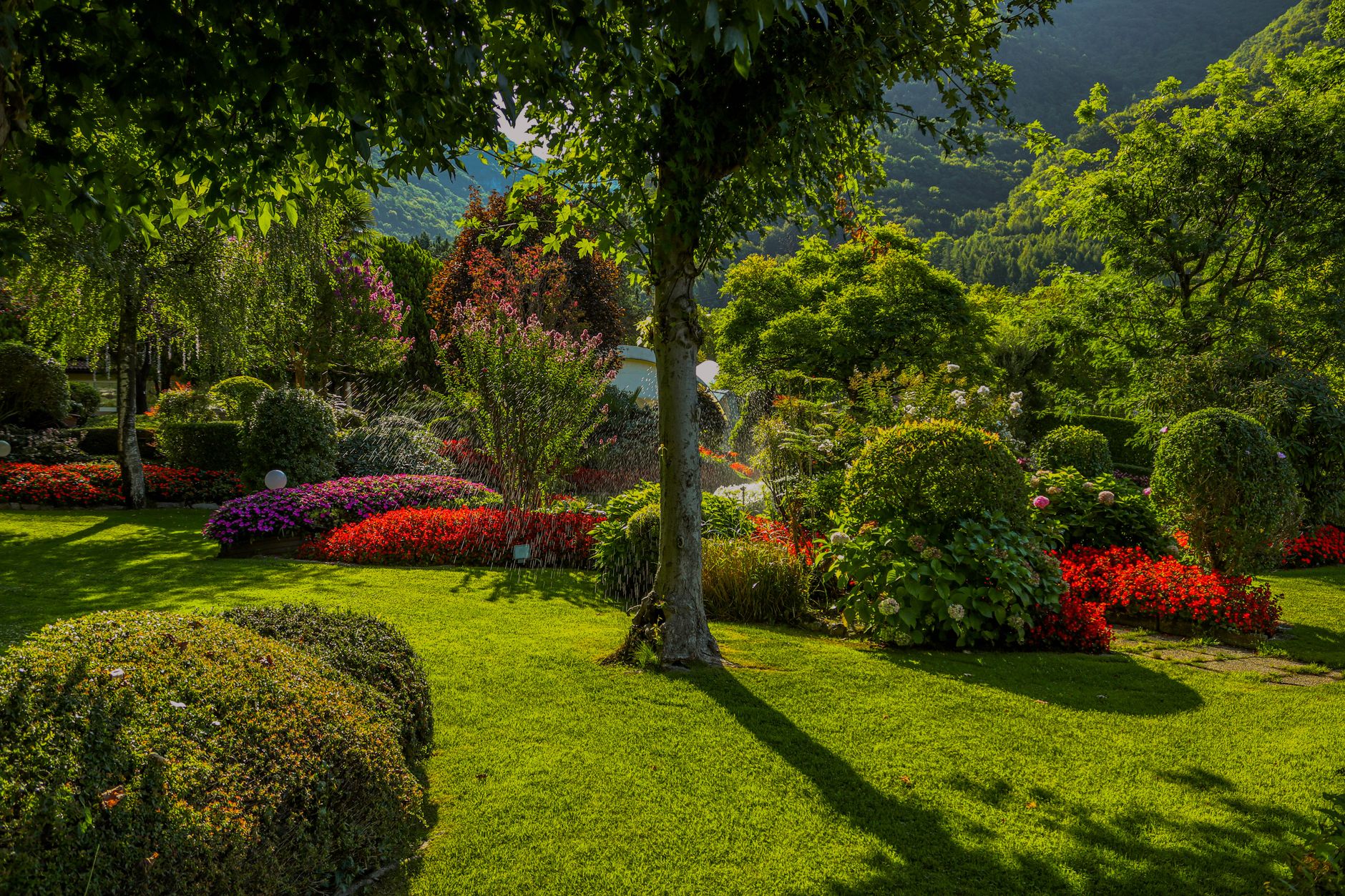
A truly beautiful garden is not one that reaches its peak for a few short weeks and then disappears into the background. The most successful gardens continue to offer colour, shape, texture and atmosphere throughout the year, even when little is flowering.
Designing a garden that looks good in every season does not mean filling every available space with plants or spending every weekend pruning, watering and weeding. It is about creating a strong foundation, choosing plants that perform at different times and allowing the garden to change naturally without ever feeling completely bare.
From evergreen hedges and sculptural trees to seasonal flowers, pathways and well-positioned seating, every part of the garden can contribute to its year-round appeal. Whether you are working with a generous backyard, a compact courtyard or a small balcony, the same basic garden design principles apply.
Here is how to create a beautiful garden that looks considered, inviting and full of life all year.
Start With the Garden’s Permanent Structure
Flowers may attract the most attention, but structure is what holds a garden together. Before choosing individual plants, consider the permanent elements that will remain visible through every season. These might include trees, hedges, fences, paths, retaining walls, raised garden beds, pergolas, pots and outdoor furniture.
Strong structural elements prevent the garden from feeling empty when deciduous plants lose their leaves or seasonal flowers finish blooming. They also help organise the space, directing the eye and creating a sense of balance.
Useful structural features include:
- Evergreen hedges along boundaries
- Small ornamental trees
- Defined garden-bed edges
- Gravel, stone or paved pathways
- Clipped shrubs or topiary
- Pergolas and arbours
- Large statement pots
- Garden benches and outdoor seating
- Sculptural plants with distinctive shapes
Try to view the garden as a series of outdoor rooms rather than one open area. A path might lead from a sunny entertaining space to a quieter bench beneath a tree. A hedge can separate a vegetable garden from a lawn, while an arbour can mark the entrance to another part of the garden.
Even a small courtyard benefits from structure. A single feature tree, a row of matching pots and a compact seating area can make the space feel intentional rather than crowded.

Choose Evergreen Plants for Year-Round Greenery
Evergreen plants retain their foliage throughout the year, making them one of the most important ingredients in a year-round garden.
They provide dependable colour and help create privacy, screen unattractive views and give garden beds a strong visual foundation. Evergreen plants are particularly valuable during winter, when deciduous trees and flowering perennials may be dormant.
Depending on your climate and available space, evergreen options might include:
- Camellias
- Gardenias
- Bay trees
- Olive trees
- Magnolia grandiflora varieties
- Rosemary
- Lavender
- Pittosporum
- Westringia
- Box hedging
- Star jasmine
- Lomandra
- Dianella
- Succulents and agaves
Avoid relying on only one type of evergreen plant. A garden filled with identical green shrubs can become flat and repetitive. Instead, combine different leaf sizes, tones and shapes.
Glossy camellia foliage might sit beside softer grasses, while a clipped hedge can be balanced with loose, sprawling rosemary or cascading groundcovers. The garden will still feel green and cohesive, but the contrast will create greater depth.
For plants that deliver impact without demanding constant attention, explore The Best Low-Maintenance Plants for Your Garden.

Plan for Something to Shine in Every Season
A garden does not need to look exactly the same throughout the year. In fact, much of its beauty comes from watching it change. The goal is to avoid having every plant reach its peak at once. Instead, select a combination of plants that flower, fruit, change colour or develop interesting seed heads at different times.
Spring
Spring is traditionally the season of new growth and flowers. Bulbs, blossom trees, roses, foxgloves, irises and flowering shrubs can bring fresh colour after winter.
Spring interest might come from:
- Tulips, daffodils and ranunculus
- Flowering cherries and ornamental pears
- Wisteria
- Bearded irises
- Peonies
- Foxgloves
- Early roses
- Fresh green foliage
Summer
During summer, choose plants that can handle warmer conditions while keeping the garden lush and inviting. Hydrangeas, salvias, lavender, agapanthus and ornamental grasses can provide long-lasting colour and movement. Summer interest might include:
- Hydrangeas
- Dahlias
- Salvias
- Lavender
- Agapanthus
- Echinacea
- Crepe myrtles
- Climbing roses
- Flowering herbs
Autumn
Autumn is about more than falling leaves. It can be one of the richest seasons in the garden, with berries, seed heads, ornamental grasses and foliage in shades of red, gold, copper and burgundy. Consider:
- Japanese maples
- Boston ivy
- Ornamental pears
- Sedum
- Miscanthus
- Pomegranates
- Crabapples
- Rosehips
- Chrysanthemums
Winter
Winter reveals the underlying design of the garden. Evergreen plants, bark, branches, hedges and hard landscaping become especially important. Winter interest might come from:
- Bare trees with architectural branches
- Silver birch bark
- Camellias
- Hellebores
- Winter-flowering jasmine
- Citrus trees
- Evergreen hedges
- Sculptural pots
- Grasses left with their seed heads intact
When choosing plants, check their flowering and growing seasons rather than buying everything during a single visit to the nursery. A garden centre filled with spring flowers can easily lead to a garden that looks spectacular in September but has very little interest during the rest of the year.

Layer Plants by Height
Layered planting is one of the simplest ways to make a garden feel established and professionally designed.
In nature, plants rarely grow in a single flat line. Trees rise above shrubs, smaller plants fill the middle layer and groundcovers spread beneath them. Recreating this arrangement gives a garden depth, softness and a greater sense of abundance.
A simple planting structure might include:
- Trees and tall screening plants
- Medium-height shrubs
- Flowering perennials and grasses
- Low-growing plants and groundcovers
- Climbers growing over walls, fences or arbours
In a small garden, you may not have room for every layer, but the principle still works. A feature tree in a large pot can create height, with smaller flowering plants beneath it and a trailing plant softening the pot’s edge.
Climbing plants are particularly useful where ground space is limited. Star jasmine, clematis, climbing roses and grapevines can turn a bare wall or fence into part of the garden.
Layered planting also creates food, shelter and nesting opportunities for wildlife. For more ideas, read How to Attract Bees, Birds, and Butterflies to Your Garden.
Repeat Plants and Colours
One of the most common garden design mistakes is choosing too many unrelated plants. It is easy to become excited at a nursery and return home with one of everything. However, planting a single specimen of many different varieties can make the garden feel busy and disconnected.
Repetition creates rhythm. Using the same plant in several parts of the garden guides the eye through the space and makes the overall design feel more deliberate.
You might repeat:
- The same hedge along different boundaries
- One flowering perennial through several garden beds
- Matching pots beside doors and pathways
- A single grass variety planted in groups
- The same climbing plant on several structures
- One recurring foliage colour
Planting in groups of three, five or seven often creates a stronger visual effect than scattering individual plants throughout a bed.
Colour repetition is equally important. Choose a simple garden colour palette and allow it to guide your planting and outdoor decorating decisions.
A soft garden might combine white, pale pink, lavender and silver foliage. A more dramatic garden could use deep burgundy, rich green, orange and dark purple. Mediterranean-inspired gardens often feature white, blue, terracotta, olive green and citrus yellow, colours also explored in our guide to bringing Amalfi Coast-inspired style into the home.
Consider Foliage as Carefully as Flowers
Flowers are temporary, while foliage often remains visible for months. When planning a garden that looks good all year, consider how plants will look when they are not in bloom. Leaf colour, size, texture and shape can be just as decorative as flowers.
Look for combinations such as:
- Fine grasses beside broad-leaf shrubs
- Silver foliage against deep green hedging
- Glossy leaves beside soft, velvety plants
- Burgundy foliage among green perennials
- Strappy leaves beneath rounded shrubs
- Variegated plants used as occasional highlights
Too many plants with similar small green leaves can blend into one indistinct mass. Contrasting foliage helps individual plants stand out while still contributing to the overall composition.
Some plants also change through the seasons. Fresh spring foliage may deepen during summer before turning gold or red in autumn. Others develop berries, hips or seed heads after their flowers have faded.
Use Native Plants That Suit Your Location
Plants are more likely to thrive when they suit the local climate, soil, rainfall and available sunlight. Well-chosen native plants can provide year-round greenery, seasonal flowers and valuable habitat for local birds and insects. Many are also better equipped to handle local conditions once established.
However, native does not automatically mean maintenance-free. A plant must still be suitable for the exact position in which it is planted. A sun-loving species will struggle in deep shade, while a plant that prefers free-draining soil may fail in a wet garden bed.
Before buying, consider:
- Your climate zone
- Summer heat
- Winter frost
- Annual rainfall
- Soil type
- Drainage
- Wind exposure
- Sun and shade
- The plant’s mature size
Our guide to creating a thriving garden with native plants offers more advice on choosing and designing with native varieties.

Design for the Conditions You Actually Have
A beautiful garden starts with an honest assessment of the site. Rather than trying to force a particular garden style into unsuitable conditions, work with the light, soil and climate already available.
Spend time observing where sunlight falls throughout the day. A space that appears sunny during the morning may be shaded by the house in the afternoon. A south-facing wall may remain cool and damp, while a west-facing garden bed can become extremely hot late in the day.
Pay attention to water as well. Notice where rain collects, where soil dries quickly and whether certain areas are protected from wind.
Choose plants for each microclimate instead of applying the same planting plan to the entire garden. Moisture-loving plants may thrive near a downpipe or low point, while drought-tolerant plants will be better suited to exposed, sunny areas. This approach creates healthier plants and reduces the need for constant intervention.
Improve the Soil Before Planting
Healthy soil is one of the best long-term investments you can make in a garden. Before planting, improve compacted or depleted soil with compost and well-aged organic matter. This can help the soil retain moisture while still allowing excess water to drain.
Mulching garden beds also helps:
- Reduce moisture loss
- Suppress weeds
- Protect plant roots
- Regulate soil temperature
- Improve the appearance of garden beds
- Add organic material as it breaks down
Keep mulch away from the trunks and stems of plants, as constant contact with damp material can encourage rot. You do not need to transform every section of the garden at once. Improve one bed at a time, plant it properly and allow it to establish before moving to the next area.
Make Paths Part of the Design
Paths are practical, but they also influence how a garden looks and feels.
A straight path creates a formal, direct feeling, while a gently curved path can make a garden feel softer and encourage visitors to slow down. Stepping stones create a casual effect, while brick, gravel and natural stone can add texture and character.
Use pathways to:
- Connect the house to outdoor entertaining areas
- Lead toward a feature tree, bench or sculpture
- Divide lawns from garden beds
- Provide access for maintenance
- Create a sense of discovery
- Make small gardens feel more structured
The path material should complement the architecture of the home. Brick may suit a traditional cottage, while large-format pavers or poured concrete may feel more appropriate beside a contemporary house.
Exterior colours should also connect with the home’s interior palette. The same principles of light, undertones and surrounding materials covered in The Complete Guide to Choosing Paint Colours for Every Room can help when selecting painted fences, pots, exterior walls and garden structures.
Add a Clear Focal Point
Every garden benefits from somewhere for the eye to rest. A focal point does not need to be elaborate or expensive. It simply needs enough visual presence to draw attention and give the garden a sense of direction.
Possible garden focal points include:
- A feature tree
- A water bowl or small fountain
- A painted garden gate
- A bench beneath an arbour
- A large decorative pot
- A sculpture
- A fireplace or firepit
- An outdoor dining setting
- A flowering climber
- A view framed by planting
Avoid placing too many focal points close together. When everything demands attention, nothing feels special.
In a long garden, one focal point might be positioned near the house and another at the far boundary. In a courtyard, a single tree, pot or wall feature may be enough.

Create Places to Sit and Enjoy the Garden
A garden should not only be viewed from indoors. It should invite you outside. Think about how and when you are likely to use the space. A sunny breakfast spot may need a different position from a shaded place for summer afternoons. A bench at the far end of the garden can provide a quiet retreat, while a table near the kitchen makes outdoor dining easier.
Even a very small garden can accommodate a chair, stool or built-in bench.
Place seating where it feels connected to the planting rather than floating in an empty area. Surrounding a bench with fragrant herbs, flowering shrubs or ornamental grasses makes it feel like part of the garden.
A productive garden can also become a beautiful place to relax. eat.Live.escape’s guide to creating an Italian kitchen garden shows how pots, vegetables, herbs and a simple seating area can work together.
Use Pots to Fill Seasonal Gaps
Pots are one of the most flexible tools in garden design. They can bring colour to an empty corner, frame an entrance, soften a paved area or provide a home for plants that may not suit the surrounding soil.
Large pots generally create a stronger effect than a collection of very small containers. They also hold more soil and tend to dry out less quickly.
Try grouping pots in different heights but similar materials or colours. Repeating one pot style will keep the arrangement cohesive, even when the plants vary.
Pots are ideal for:
- Citrus trees
- Herbs
- Seasonal flowers
- Small shrubs
- Feature grasses
- Succulents
- Topiary
- Compact trees
- Strawberries and tomatoes
Seasonal pots can also fill temporary gaps in garden beds. Move them into prominent positions while they are flowering, then relocate them when another part of the garden begins to shine.
Allow a Little Imperfection
A year-round garden does not need to be perfectly clipped and spotless. Allowing some flowers to go to seed can provide food for birds and create beautiful winter silhouettes. Fallen leaves can protect the soil beneath shrubs, while slightly looser planting often gives insects and small wildlife somewhere to shelter.
The key is making the garden feel relaxed rather than neglected.
Keep pathways clear, prune damaged branches and control invasive weeds, but avoid removing every seed head, leaf and twig. A garden with movement, texture and a little seasonal wildness often feels more alive than one that is constantly stripped back.
Make the Garden Easier to Maintain
The best garden is one you can realistically care for. A high-maintenance design may look beautiful for a short time, but it can quickly become overwhelming if it does not suit your schedule.
To create a more manageable garden:
- Choose plants that suit the conditions
- Avoid plants that will outgrow their position
- Group plants with similar watering needs
- Use mulch to reduce weeds and moisture loss
- Install irrigation where practical
- Limit areas of high-maintenance lawn
- Repeat reliable plant varieties
- Use groundcovers to fill bare soil
- Keep access paths wide enough for maintenance
- Prune at the appropriate time rather than constantly
It is better to have fewer healthy, well-positioned plants than a large collection that requires ongoing rescue.
Connect the Garden to the Style of the Home
A garden feels most successful when it relates to the architecture and interior style of the house. This does not mean every material and colour must match exactly. Instead, look for subtle connections.
A modern home might suit simple planting, strong lines, sculptural trees and restrained materials. A cottage can support softer borders, roses, herbs and winding paths. Mediterranean-inspired homes work beautifully with olive trees, citrus, gravel, terracotta and aromatic planting.
Repeating an interior colour outside can also create flow. A navy kitchen might connect with dark blue pots, while warm timber furniture can be echoed in a pergola or garden bench.
You can even carry the garden mood into the way you use the space. A relaxed white shirt, linen trousers and simple sandals suit an easy outdoor lunch, with more inspiration in ele STYLED’s guide to styling a classic white shirt.
A Simple Seasonal Garden Checklist
Spring
- Remove winter-damaged growth
- Add compost and mulch
- Plant warm-season flowers and vegetables
- Check irrigation systems
- Support new climbing growth
- Feed plants as required
Summer
- Water deeply during dry periods
- Check pots regularly
- Deadhead flowering plants
- Add shade for vulnerable plants
- Harvest herbs, fruit and vegetables
- Keep birdbaths clean and filled
Autumn
- Plant trees and shrubs where appropriate
- Collect or redistribute fallen leaves
- Divide overcrowded perennials
- Plant spring-flowering bulbs
- Lightly tidy garden beds
- Review which plants performed well
Winter
- Prune suitable deciduous plants
- Check the garden’s underlying structure
- Repair paths, fences and edging
- Plant bare-root trees and roses where suitable
- Clean and organise garden tools
- Plan changes for the coming year

Frequently Asked Questions
How do I make my garden look good all year?
Start with permanent structure, including evergreen plants, trees, paths, hedges and large pots. Add plants that flower or change at different times of the year, and use foliage, bark, berries, grasses and seed heads to provide interest when flowers are limited.
What plants look good throughout the year?
Evergreen shrubs, clipped hedges, ornamental grasses, rosemary, camellias, gardenias, olive trees, magnolias and many native plants can provide year-round interest. The best choices will depend on your local climate, soil and available light.
How do I plan a garden from scratch?
Begin by observing the site’s sunlight, drainage, soil and wind exposure. Decide how you want to use the garden, then plan pathways, seating, trees and major structural plants before choosing smaller flowers and decorative plants.
How can I add year-round colour to a garden?
Combine evergreen foliage with plants that flower in different seasons. You can also introduce colour through berries, autumn leaves, painted fences, outdoor furniture, pots, sculptures and garden structures.
How many different plants should I use?
There is no fixed number, but repeating a smaller collection of reliable plants usually creates a more cohesive garden than using one of every variety. Choose several structural plants and repeat key flowering plants, grasses or groundcovers through the garden.
How do I make a small garden look beautiful?
Use vertical space, limit the material and colour palette and choose plants with more than one season of interest. A feature tree, layered pots, climbing plants, built-in seating and a clearly defined path can make a small garden feel larger and more intentional.
What is the easiest garden style to maintain?
Simple gardens with well-spaced plants, evergreen structure, groundcovers, mulch and reduced lawn areas are generally easier to maintain. Choosing plants that suit the site is more important than following a particular garden style.
Should every garden include evergreen plants?
Most gardens benefit from some evergreen planting because it provides structure and colour throughout the year. However, evergreens do not need to dominate. Combining them with deciduous trees, flowers and grasses creates a more varied and seasonal garden.
How can I make my garden look more expensive?
Use repetition, clearly defined edges, healthy plants and a limited material palette. Large pots, well-positioned trees, layered planting and good-quality outdoor furniture often create more impact than filling the garden with many small decorative items.
Can a garden look good in winter?
Yes. Winter beauty can come from evergreen hedges, tree bark, sculptural branches, grasses, seed heads, berries, camellias, hellebores, pots and garden structures. A strong underlying layout becomes particularly valuable during the colder months.
The Final Word
A garden that looks good all year is not created by chasing constant flowers. It comes from combining permanent structure with seasonal change.
Start with trees, hedges, paths and evergreen plants. Add layers of foliage, flowers, grasses and groundcovers that perform at different times. Repeat colours and plants, choose varieties suited to the conditions and include somewhere comfortable to sit and enjoy the result.
Most importantly, allow the garden time to develop. Plants will grow, views will change and the space will gradually become more settled. A beautiful garden is never completely finished. It evolves with the seasons, the home and the people who use it.




Leave a Reply