
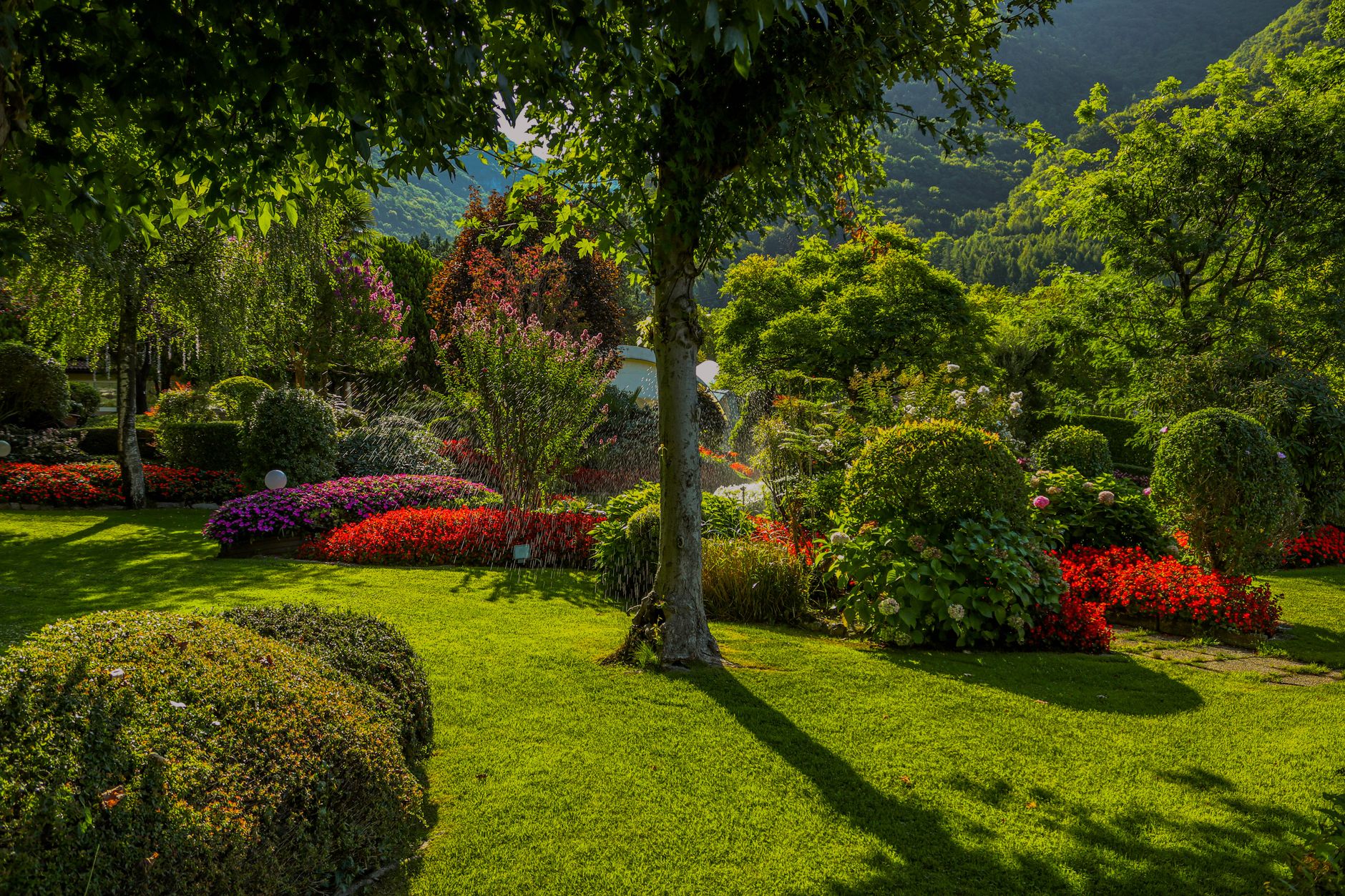
A thriving garden isn’t just about plants, it’s about the life they invite in. Birds, bees, and butterflies bring color, movement, and a sense of connection to nature that makes any outdoor space feel more alive. And the best part? You don’t need a sprawling estate to create a wildlife-friendly garden. Even a small balcony or courtyard can become a hotspot for pollinators and feathered visitors with the right choices. Here’s how to make your garden a place they’ll want to call home.
Choose the Right Plants
Start with the menu. Native flowering plants are the best way to bring in bees and butterflies, offering familiar nectar and pollen sources. Aim for a mix that blooms across the seasons, from early spring blossoms to late autumn flowers, so there’s always something on offer. Lavender, salvia, echinacea, yarrow, and daisies are all reliable bee favorites. For butterflies, include milkweed, buddleia (butterfly bush), and verbena. Birds love seed-bearing plants like sunflowers, coneflowers, and grasses. The more variety, the better.
Go Organic and Skip the Chemicals
Pollinators are sensitive creatures. Pesticides, herbicides, and synthetic fertilizers can harm or repel the very wildlife you’re trying to attract. Instead, use natural methods for pest control, like companion planting or introducing beneficial insects such as ladybugs. Healthy soil and compost go a long way, and they help your garden support more life from the roots up.

Add Water
All creatures need water, especially during warmer months. A shallow birdbath, a small pond, or even a dish of fresh water tucked among your plants can make a big difference. For butterflies and bees, make sure water sources are shallow and have places to perch, pebbles or small twigs work well. Just remember to clean and refill them regularly to keep things safe and inviting.
Create Shelter and Nesting Spots
Birds need safe spots to build nests, hide from predators, or rest in between flights. Small trees, hedges, shrubs, and even climbing vines like clematis or jasmine offer great natural shelter. You can also add birdhouses or nesting boxes, but be sure they’re the right size for your local species and placed away from too much human traffic. Butterflies like sunny, wind-sheltered corners and dense plantings to rest in, while bees benefit from undisturbed patches of bare soil or wood where they can nest.

Let It Be a Little Wild
A perfectly trimmed, overly tidy garden might be nice to look at but for wildlife, it’s a little boring. Leave some fallen leaves, twigs, or logs to create natural hiding places. Let a patch of lawn grow long or allow dandelions and clover to flower before mowing. These small signs of wildness give pollinators and small creatures places to forage and feel safe.
Keep It Buzzing All Year
Even when flowers fade, you can still support your garden visitors. In colder months, seed heads from plants like echinacea or rudbeckia feed birds. Evergreen shrubs and dense grasses offer year-round shelter. You can even leave a few apples out in winter, a treat for hungry birds and butterflies alike.

The Payoff
A garden that hums with bees, dances with butterflies, and rings with birdsong is a garden alive with energy and purpose. Not only will you be supporting local ecosystems and biodiversity, but you’ll also create a space that feels joyful, ever-changing, and beautifully connected to the natural world. And really, what could be better than that?
Tips and Tricks for Creating a Wildlife-Friendly Garden
A wildlife-friendly garden does not need to look messy or unstyled. The most beautiful spaces often strike a balance between considered planting and a little natural looseness. The goal is to create a garden that looks good to you, while also offering food, water, shelter and safety for birds, bees and butterflies.
Choose flowers in different shapes and sizes
Different pollinators are attracted to different flower shapes, so variety matters. Flat, open flowers are easy for bees and butterflies to access, while tubular flowers are loved by many nectar-feeding birds. Mix daisies, lavender, salvia, echinacea, grevillea, bottlebrush, herbs and flowering shrubs to create a more useful garden.
Plant for every season
Try to include plants that flower at different times of the year. This gives bees, butterflies and birds a more reliable food source, rather than one short burst of colour. Spring and summer flowers are important, but autumn blooms and winter seed heads can be just as valuable.
Add herbs and vegetables
Herbs are brilliant for pollinators, especially when you let some of them flower. Basil, thyme, oregano, mint, rosemary, parsley and coriander can all attract bees and beneficial insects. If you are already growing food at home, articles like How to Grow Tomatoes at Home (Plus a Delicious Bruschetta Recipe!) are a lovely next step for building a productive garden.
Leave seed heads in place
Instead of cutting everything back the moment flowers fade, leave some seed heads standing. Coneflowers, sunflowers, grasses and other seed-bearing plants can provide food for birds and structure for the garden through the cooler months.
Use water wisely
A birdbath, shallow dish or small pond can quickly make your garden more inviting. Keep the water clean, place it near shelter, and add a few stones or twigs so bees and butterflies can land safely without falling in.
Create layers of planting
Birds and insects love layered gardens. Combine groundcovers, grasses, perennials, shrubs, climbers and small trees where space allows. Even in a courtyard or balcony garden, you can create layers with pots of different heights, hanging baskets and climbing plants.
Avoid too much tidying
A little wildness is useful. Leave a few fallen leaves under shrubs, keep a small patch of lawn longer, and allow some flowers to go to seed. These small choices create hiding places, nesting materials and food sources for garden visitors.
Choose pots carefully for balconies
If you only have a balcony, use larger pots where possible. They hold moisture better, give roots more room and make it easier to grow flowering plants, herbs and small shrubs. A balcony herb garden can still attract bees and butterflies when planted thoughtfully, and How to Create a Balcony Herb Garden at Home is a useful read for small-space gardeners.
Think twice before spraying
Even products labelled as natural can affect insects if used too often or at the wrong time. Focus on healthy soil, strong plants, companion planting and hand-removing pests where possible. If you must treat a problem, avoid spraying open flowers where bees and butterflies are feeding.
Add beauty as well as function
A wildlife-friendly garden should still feel like a place you want to spend time in. Use repetition, colour themes, pretty pots, garden paths, seating and sculptural plants to keep the space feeling intentional. For a low-effort starting point, The Best Low-Maintenance Plants for Your Garden has plenty of easy planting inspiration.

FAQs
How do I attract bees to my garden?
To attract bees, plant a mix of nectar and pollen-rich flowers such as lavender, salvia, echinacea, daisies, rosemary, thyme and native flowering plants. Avoid pesticides, provide shallow water, and try to keep something flowering across the seasons.
What plants attract butterflies?
Butterflies are drawn to nectar-rich flowers and sunny, sheltered spots. Verbena, buddleia, milkweed, lavender, salvia, daisies and zinnias are all popular choices. It also helps to include host plants where butterflies can lay eggs.
How do I attract birds to my garden?
Birds need food, water and shelter. Add seed-bearing plants, native shrubs, small trees, grasses, birdbaths and safe nesting spots. Dense planting gives birds somewhere to hide from predators and rest between feeding.
Can I create a wildlife-friendly garden on a balcony?
Yes, even a balcony can attract bees, butterflies and birds. Use pots of flowering herbs, native plants, small shrubs, grasses and trailing plants. Add a shallow water dish and avoid chemical sprays. The key is to create food and shelter, even on a small scale.
Should I use native plants in a wildlife garden?
Native plants are one of the best choices because local birds, bees and butterflies are often adapted to them. They usually require less water once established and can support the local ecosystem more effectively than many highly bred ornamental plants.
Are weeds good for pollinators?
Some weeds, including clover and dandelions, can provide useful food for bees and other insects. You do not need to let weeds take over, but allowing a few to flower before mowing or removing them can help support pollinators.
Do bird feeders help attract birds?
Bird feeders can help, especially when natural food is limited, but they should be kept clean and used carefully. A garden with seed-bearing plants, native shrubs, insects and clean water is a more natural long-term way to support birds.
How often should I clean a birdbath?
Clean and refill a birdbath regularly, especially in warm weather. Dirty water can spread disease and become unsafe for birds. A quick rinse and fresh water every few days will keep it much more inviting.
What should I avoid in a wildlife-friendly garden?
Avoid heavy pesticide use, overly tidy garden beds, plastic netting that can trap animals, and plants that offer little food or shelter. Try not to remove every fallen leaf, twig or seed head, as these can support insects and birds.
Can a wildlife-friendly garden still look beautiful?
Absolutely. A wildlife-friendly garden can be lush, layered and beautifully designed. The trick is to combine useful plants with thoughtful structure, such as paths, pots, seating, hedges, repeated colours and seasonal flowers.
Where to Next?
If you are inspired to make your outdoor space feel more alive, these ELE Home reads are perfect to explore next.
The Best Low-Maintenance Plants for Your Garden
A practical guide to hardy, beautiful plants that make gardening feel easier, especially if you want a lush garden without constant upkeep.
How to Create a Balcony Herb Garden at Home
Ideal for small-space gardeners who want to grow herbs, attract pollinators and make a balcony feel more useful and beautiful.
How to Grow Tomatoes at Home (Plus a Delicious Bruschetta Recipe!)
A lovely next step for anyone wanting to create a more productive garden, whether you have raised beds, pots or a sunny courtyard.
How to Grow Blueberries At Home
A helpful read for adding edible planting to your garden, while also creating a space that feels abundant and seasonal.
A Complete Guide to Growing David Austin Roses: Beauty, Care, and the Best Varieties
Perfect if you want to add romantic blooms, scent and classic garden beauty to your outdoor space.
Visit Melbourne’s Hidden Gardens!
A beautiful source of garden inspiration, with ideas from diverse private gardens and landscape-designed spaces.
How to Create a Thriving Garden with Native Plants: Benefits, Tips & Design Ideas
A natural companion to this article if you want to use more native planting to support local wildlife and create a garden that feels connected to place.




Leave a Reply