
A calm home does not happen by accident. It is the result of thoughtful choices, gentle restraint, and a little bit of intention about how you want your space to feel. The best calm interiors are not sterile or boring. They are warm, layered, and quietly confident. They feel easy to live in, look beautiful without trying too hard, and support the way you actually move through your day.
This guide will show you how to create a calm and beautiful home that works in real life, whether you live in a compact apartment, a family house, or a character home that needs a little extra love.
What makes a home feel calm
Before choosing paint colours or furniture, it helps to understand what actually creates calm. Calm comes from balance, not perfection. It is the relationship between space, light, texture, and tone. When these elements work together, a room feels settled rather than chaotic.
A calm home usually has:
- soft, cohesive colour palettes
- layered natural textures
- good lighting at different levels
- thoughtful furniture placement
- fewer, more meaningful objects
It is not about minimalism for the sake of it. It is about clarity, ease, and comfort.
Start with a quiet colour foundation
Colour sets the emotional tone of your entire home. If your goal is calm, lean toward neutral or muted tones rather than bright, high contrast shades. Beautiful options include:
- warm whites
- soft greys
- pale beiges
- gentle greige tones
- dusty greens
- washed out blues
These colours create a peaceful backdrop that lets furniture, art, and textures do the talking. If you love colour, you can still use it. Just keep it layered and considered rather than bold and competing.

Let light do the heavy lifting
Lighting is one of the most powerful tools for creating a calm home, yet it is often treated as an afterthought. A beautiful, serene room almost always has three layers of light. First is natural light. Make the most of it with sheer curtains, simple blinds, and furniture placement that does not block windows.
Second is ambient lighting. This includes ceiling lights, pendants, or soft wall lights that gently illuminate the space. Third is accent lighting. Table lamps, floor lamps, and small decorative lights add warmth and depth, especially in the evenings.
Together, these layers make a room feel warm, welcoming, and easy on the eyes.

Choose furniture that feels grounded
Calm interiors tend to avoid overly trendy or dramatic furniture shapes. Instead, they favour pieces that feel solid, timeless, and proportionate to the room.
Look for:
- clean lines
- natural materials like wood, linen, or leather
- comfortable seating that invites you to relax
- furniture that suits your space rather than overwhelms it
A well chosen sofa, a sturdy dining table, or a beautiful wooden sideboard can anchor a room and make everything else feel more settled.
Bring in texture for warmth
A calm home is rarely flat or lifeless. Texture is what makes it feel layered and inviting. You can add texture through:
- woven rugs
- linen cushions
- wool throws
- timber furniture
- stone or ceramic accents
Mixing different materials creates visual interest without visual noise. The key is to keep the palette soft and cohesive so the textures complement rather than clash.

Create flow between rooms
A calm home feels connected rather than fragmented. This does not mean every room must look identical, but there should be a gentle continuity in tone and style. You might repeat similar colours across different spaces, use the same type of flooring, or carry a consistent material like wood or stone throughout your home.
When rooms feel like they belong together, the whole house feels more peaceful.
Living room ideas for a calm atmosphere
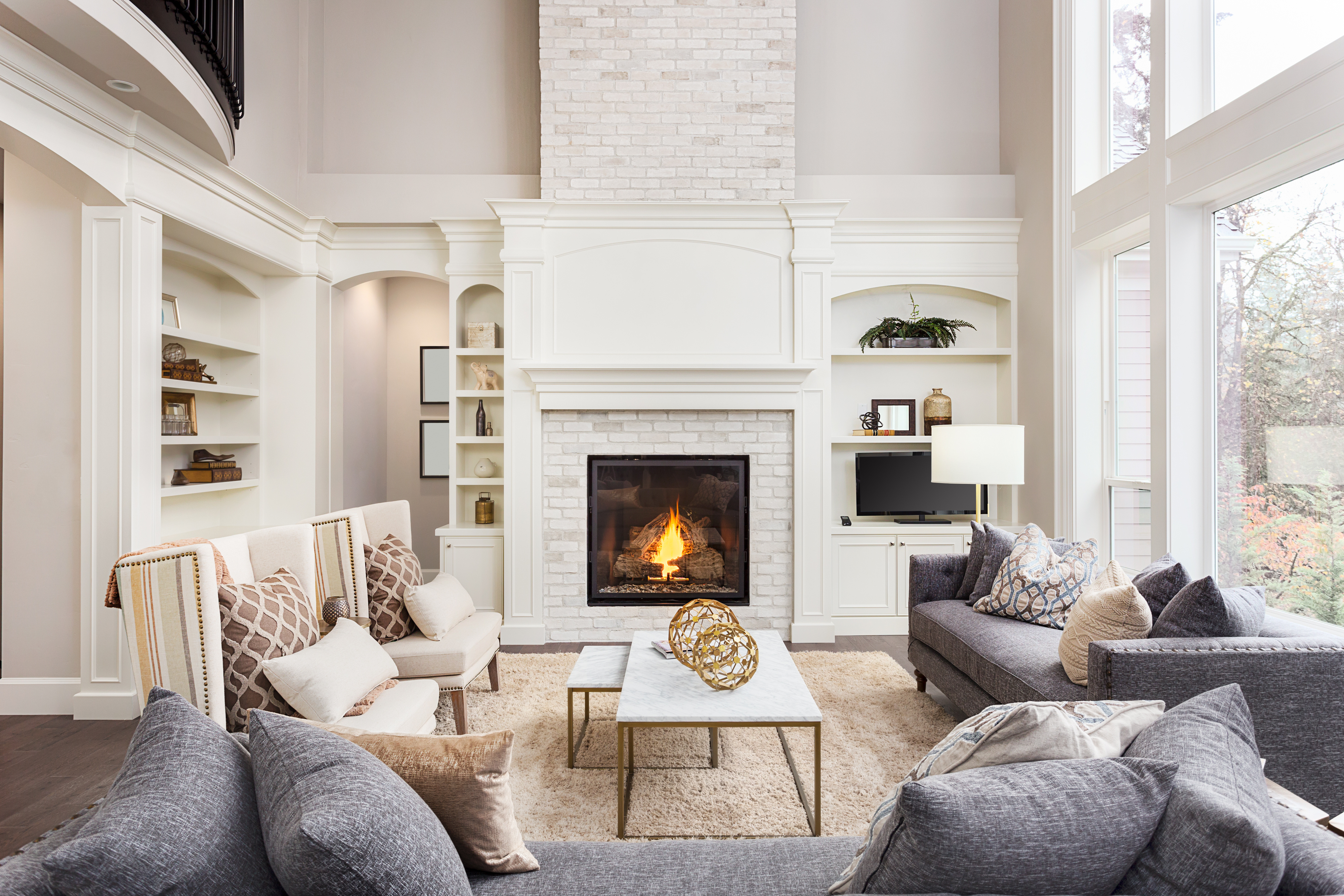
Your living room is often the emotional centre of your home, so it is a great place to focus your efforts. Start with a comfortable sofa in a neutral tone. Add a soft rug to ground the space and layer in cushions and throws for warmth.
Keep coffee table styling simple. A small stack of books, a ceramic bowl, or a plant is usually enough. Avoid overcrowding the space with too many decorative objects. Leave room for the eye to rest.
Bedroom ideas for deeper relaxation
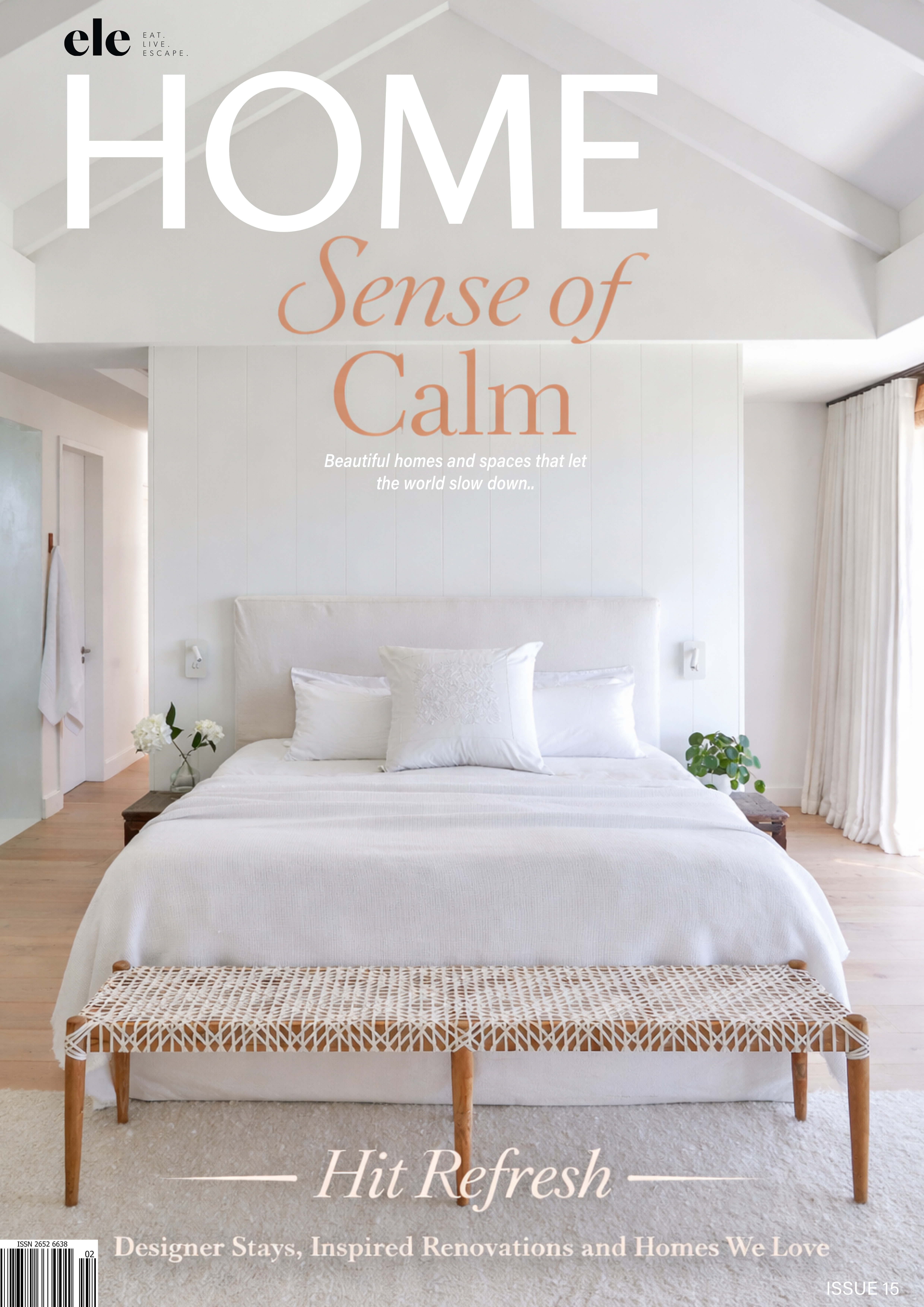
Your bedroom should feel like a retreat, not an extension of your to do list. Choose calming bedding in natural fabrics like cotton or linen. Soft whites, creams, or muted tones work beautifully here.
Keep bedside tables uncluttered. A lamp, a book, and perhaps a small vase or plant is plenty. If possible, avoid screens in the bedroom. The calmer the space, the better you will sleep.
Kitchen ideas that feel serene
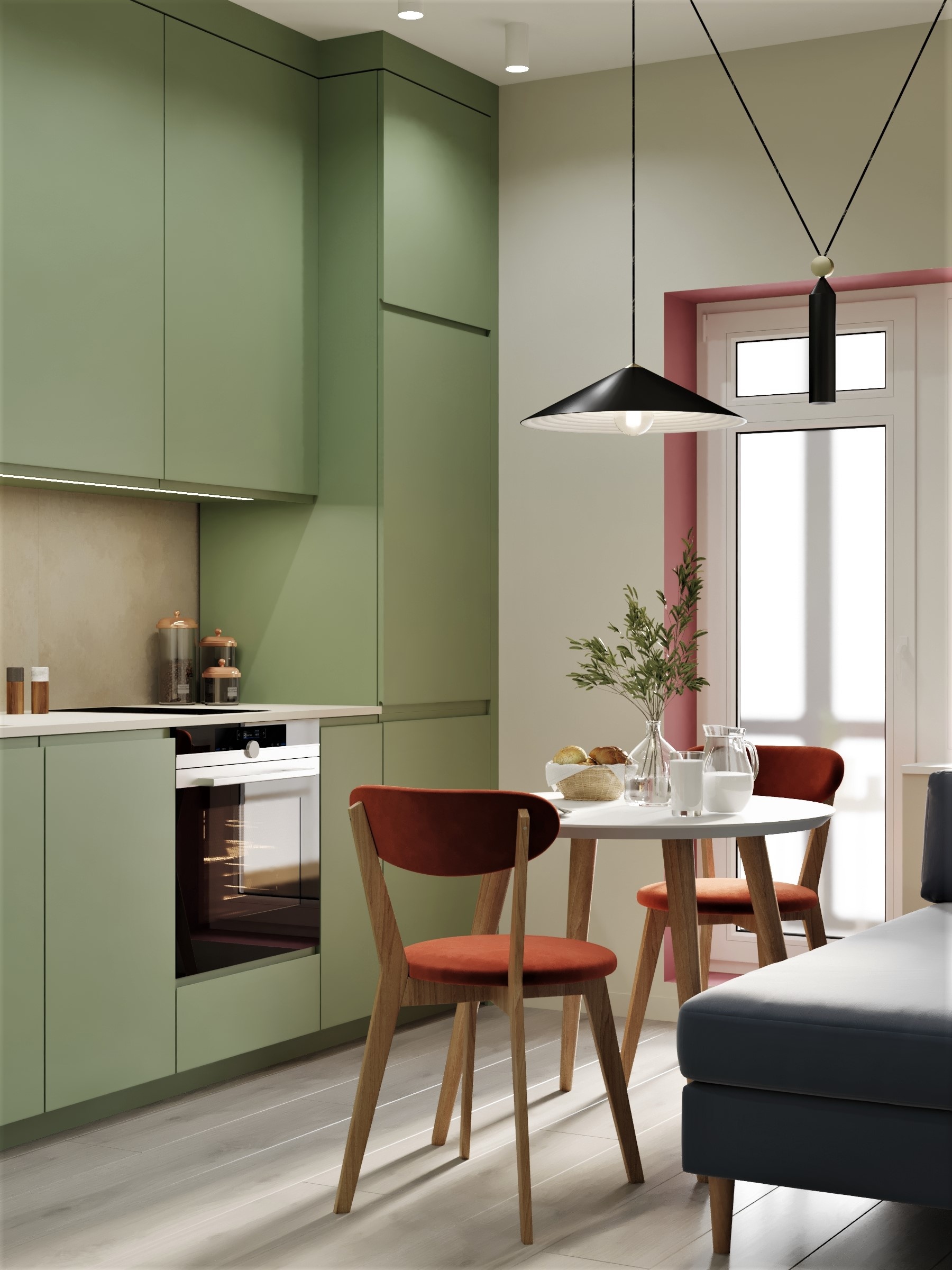
Kitchens are naturally busy spaces, but they can still feel calm with the right approach. Stick to a simple colour palette for cabinetry and countertops. Natural stone, timber, or matte finishes often create a softer feel.
Reduce visual clutter by storing appliances in cupboards where possible. Keep benchtops clear and styled sparingly. Good lighting above preparation areas also makes a kitchen feel more functional and peaceful.

Bathroom ideas for a spa like feel
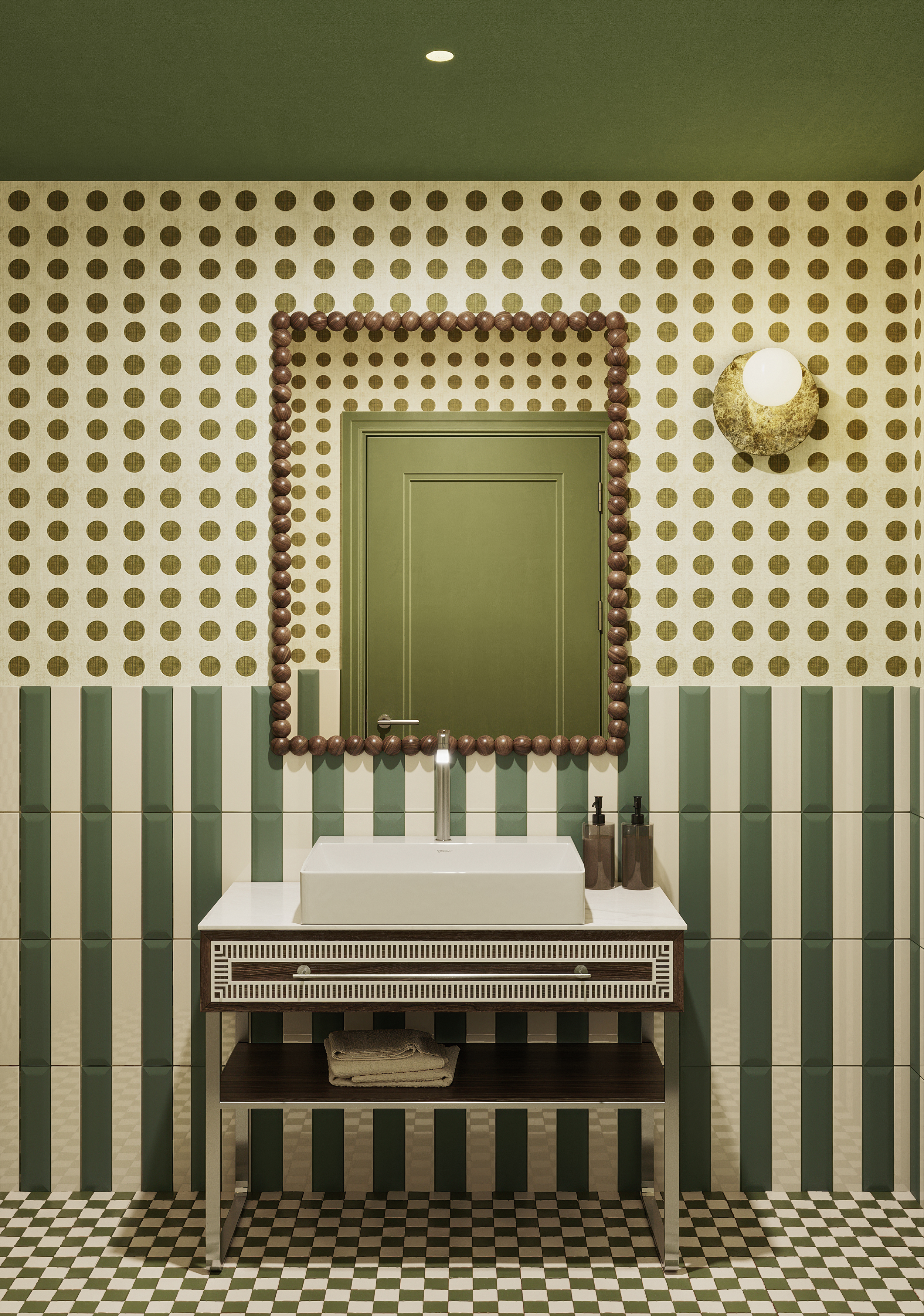
Your bathroom is the perfect place to lean into calm. Choose soft tiles, natural materials, and minimal accessories. A few rolled towels, a candle, or a simple plant can elevate the space instantly. Warm lighting makes a big difference here. Avoid harsh, bright lights and opt for softer bulbs instead. If space allows, add a small stool or tray for towels or bath products to make the room feel more intentional.

How to style without clutter
Calm does not mean empty. It means curated. When styling shelves, consoles, or coffee tables, follow these simple principles:
- group items in odd numbers
- mix heights and textures
- leave some empty space
- avoid too many colours
If something does not truly add value to the room, consider moving it or letting it go.
Common mistakes that disrupt calm
Even well intentioned homes can feel chaotic if certain things are overlooked. Five common mistakes to avoid:
- Too many colours competing in one room
- Harsh overhead lighting with no softer layers
- Overcrowded furniture layouts
- Cluttered surfaces
- Ignoring natural light
Fixing even one of these can make a noticeable difference.
How to maintain a calm home day to day
Creating calm is not just about design. It is also about how you live in your space. Simple habits that help include:
- tidying surfaces before bed
- putting things back after use
- rotating decor rather than constantly adding more
- opening windows regularly for fresh air
A little consistency goes a long way.
Bringing it all together
A calm and beautiful home is not about following trends or buying everything new. It is about making thoughtful choices that support how you want to feel in your space. When colour, light, texture, and layout work together, your home becomes more than just a place you live. It becomes a place that nurtures you. And that is what truly makes a house feel like home.


Leave a Reply