
Selecting the right tiles for your bathroom is a critical decision in any remodel or new build. The right choice can set the tone of the room, withstand years of moisture, and reflect your personal style. This guide will help you navigate the various styles, materials, and practical considerations involved in choosing bathroom tiles, ensuring your finished space is both functional and beautiful.
Understanding Different Tile Materials
Ceramic Tiles: Ceramic tiles are a popular choice due to their versatility, affordability, and wide range of colors and patterns. They are easy to clean and maintain but may not be as durable as some other options.
Porcelain Tiles: Porcelain is a denser, more water-resistant option than ceramic and is ideal for both floor and wall installations in the bathroom. It’s also chip-resistant and more suitable for high-traffic areas.
Glass Tiles: Glass tiles add a luminous quality to any bathroom. They are excellent for creating a reflective or transparent effect on walls but are more susceptible to scratches and can be slippery when used as floor tiles.
Stone Tiles: Natural stone tiles, such as marble, granite, slate, and limestone, add a luxurious touch and unique texture to your bathroom. They require more maintenance and regular sealing to prevent stains and water damage.
Vinyl Tiles: Vinyl tiles are waterproof, cost-effective, and comfortable underfoot. They come in a variety of designs and are incredibly easy to install and maintain, making them ideal for budget-conscious homeowners.

Choosing the Right Style
Color Coordination: Choose tile colors that complement the overall palette of your bathroom. Light colors can make a small bathroom feel bigger, while darker colors add coziness to a larger space.
Size Matters: Large-format tiles can make a small bathroom feel larger and have fewer grout lines, which creates a sleek and modern appearance. Smaller tiles, including mosaics, are perfect for adding grip to shower floors or decorative accents.
Patterns and Textures: Consider textured tiles for slip resistance in wet areas like showers. Patterned tiles can add visual interest to a bathroom and can be used as a focal point or to distinguish different areas within the space.
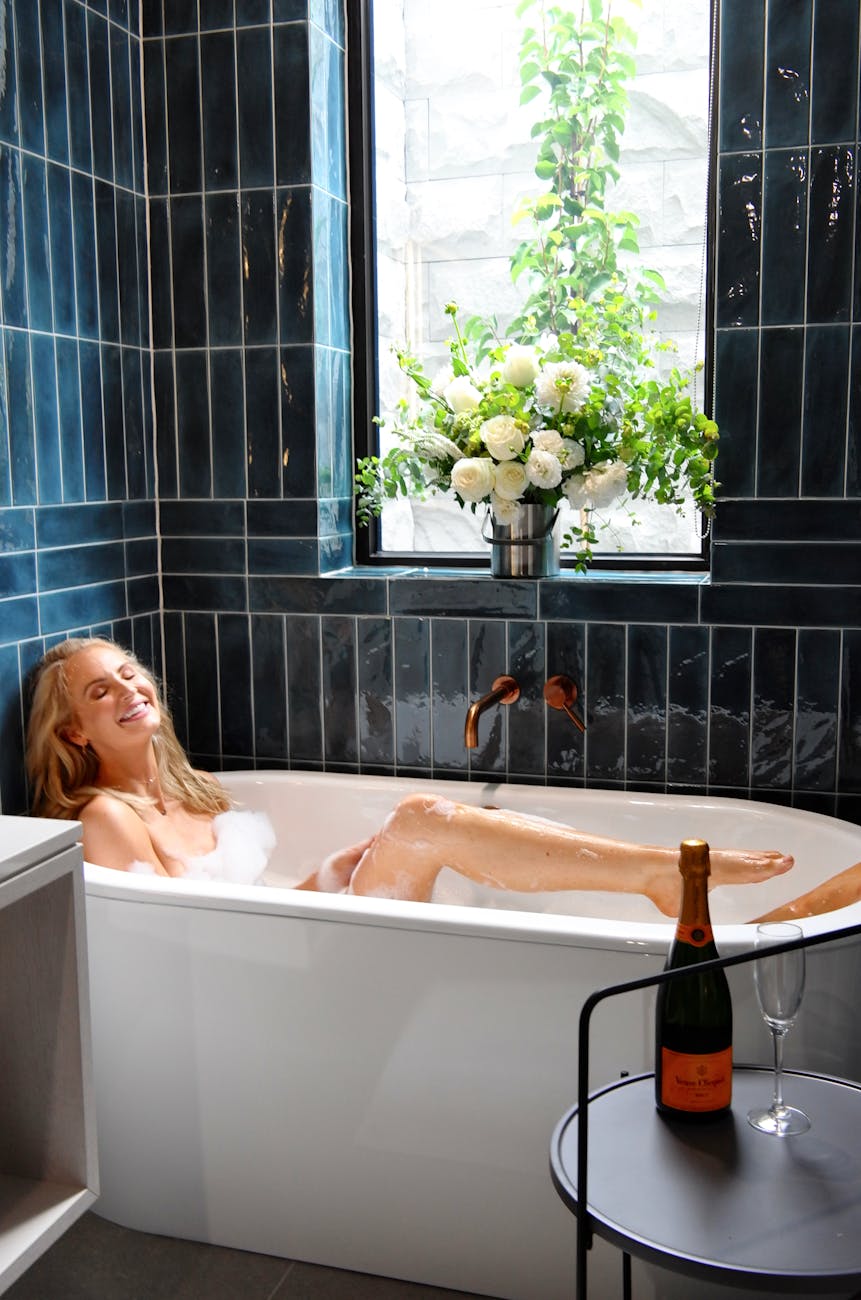
Finish: Glossy tiles reflect light and brighten up a bathroom but can be slippery when wet. Matte finishes provide better traction and offer a more subdued look.

Practical Considerations
Water Resistance: It’s essential to choose tiles that are suitable for wet environments. Porcelain tiles are typically the best choice for bathroom floors due to their low water absorption rate.
Durability: Assess the hardness and durability of the tile. For bathroom floors, it’s important to use tiles that can withstand heavy foot traffic and the wear and tear of daily use.
Maintenance: Some tiles require more maintenance than others. Natural stone, for example, needs to be sealed regularly, whereas porcelain tiles are generally more low-maintenance.
Top Tips for Choosing Bathroom Tiles
Sample Tiles: Always get samples and view them in the lighting of your bathroom to see how the colors and finishes look throughout the day.
Check Ratings: Look for the slip-resistance ratings, especially for floor tiles (often indicated as the coefficient of friction).
Budget: Keep in mind that while the cost of tiles can vary widely, the installation costs can also add up. Factor in the cost of materials like grout and sealant, as well as the labor.
Future-Proofing: Choose a tile that you can live with for a long time and that will also appeal to others if you plan on selling your home.
By carefully considering these factors, you can choose the perfect tiles for your bathroom that are not only stylish but also durable and practical. Whether you’re going for a bold pattern or a classic look, the right tiles will enhance the beauty and functionality of your bathroom for years to come.
Tile Patterns to Suit Different Bathroom Styles
When remodeling a bathroom, choosing the right tile pattern can significantly enhance the room’s overall aesthetics and functionality. Different tile patterns can either make a small bathroom feel larger, add dynamic visual interest, or complement a minimalist design. Here’s a guide to help you select the best tile pattern to suit the style and shape of your bathroom.
1. Straight Lay Pattern
- Description: The most common and simplest tile layout, where tiles are laid in straight lines so the grout lines end up like a grid.
- Best for: This pattern suits any bathroom style due to its clean and straightforward look. It’s particularly effective in small bathrooms where a simple design can make the space feel larger and more open.
2. Diagonal Lay Pattern
- Description: Similar to the straight lay, but the tiles are laid at a 45-degree angle to the walls.
- Best for: This pattern is ideal for making small or narrow bathrooms appear wider. The diagonal lines draw the eye outward, giving a sense of more space.
3. Herringbone Pattern
- Description: Rectangular tiles are arranged in a zigzag pattern. This can be done at a 45-degree or 90-degree angle depending on the space.
- Best for: Herringbone works well in both small and large bathrooms, adding movement and interest. It’s a great choice for feature walls or floors where a touch of dynamic texture is desired.
4. Basketweave Pattern
- Description: Small rectangular tiles are placed to form squares that alternate direction, resembling a woven basket.
- Best for: This classic pattern is particularly suited to vintage or traditional bathroom styles, adding an element of depth and complexity that enhances the room’s overall character.
5. Chevron Pattern
- Description: Similar to herringbone but with the ends of each rectangle cut at an angle to meet point to point, creating a continuous zigzag.
- Best for: Chevron is a modern take on the herringbone and suits contemporary or transitional bathrooms looking to make a statement with the floor or shower wall.
6. Hexagonal Pattern
- Description: Tiles are shaped in hexagons, fitting together like a honeycomb.
- Best for: This pattern is excellent for adding a unique, modern twist to any bathroom. It’s particularly effective in eclectic or contemporary designs and works well when mixed with contrasting tile colors for a pop of visual interest.
7. Mosaic Pattern
- Description: Small, often colorful tiles are used to create detailed patterns or images.
- Best for: Mosaic tiles are perfect for personalizing space and adding vibrant color and texture. They are often used in showers or as accent walls in otherwise neutral bathrooms.
8. Subway Tile Pattern
- Description: Traditionally sized rectangular tiles are laid in an offset pattern, resembling the brick wall of a subway.
- Best for: This pattern is incredibly versatile and works with nearly any bathroom style, from retro to industrial to modern. The classic subway layout offers a clean and timeless look, but can be spiced up by using colored grout.

Considerations When Choosing Tile Patterns
- Room Size: Larger patterns can overwhelm a small space, while smaller patterns might look too busy in a large area.
- Lighting: Light can play off the angles of a tile pattern, enhancing its effect. Consider how natural and artificial light interact with the pattern you choose.
- Maintenance: Some patterns with more grout lines might require more upkeep to stay clean.
- Future-proofing: While trendy patterns can be appealing, consider how the design will age with time and if it might affect resale value.
Choosing the right tile pattern not only complements the design of your bathroom but can also alter its perception and feel. With the correct pattern, you can transform a plain space into a standout feature of your home.
Want more? Click here for Australian Real Estate Hotspots Predicted to Boom in 2025





Leave a Reply