
Biophilic design is more than just a design trend—it’s an approach that reconnects people with nature and the natural world, even when indoors. Derived from the Greek words bios (life) and philia (love), biophilia means “love of life” or “love of living systems.” By integrating biophilic principles into your home, you can create a space that promotes well-being, reduces stress, and improves overall health and productivity.
1. Use Natural Materials
The foundation of biophilic design is the use of natural materials that mimic the textures and forms of the outdoors. Think wood, stone, and natural fibers. Wooden furniture, exposed stone walls, or natural wool and linen textiles bring the feeling of nature into your home while offering tactile experiences. Whether through flooring, furniture, or decorative accents, natural materials help create a sense of grounding and calm.
Consider incorporating reclaimed wood for furniture or flooring, stone countertops, or even a feature wall made from natural materials. The tactile qualities of these materials promote a connection to the environment, helping to reduce feelings of stress and enhance comfort.


2. Maximise Natural Light
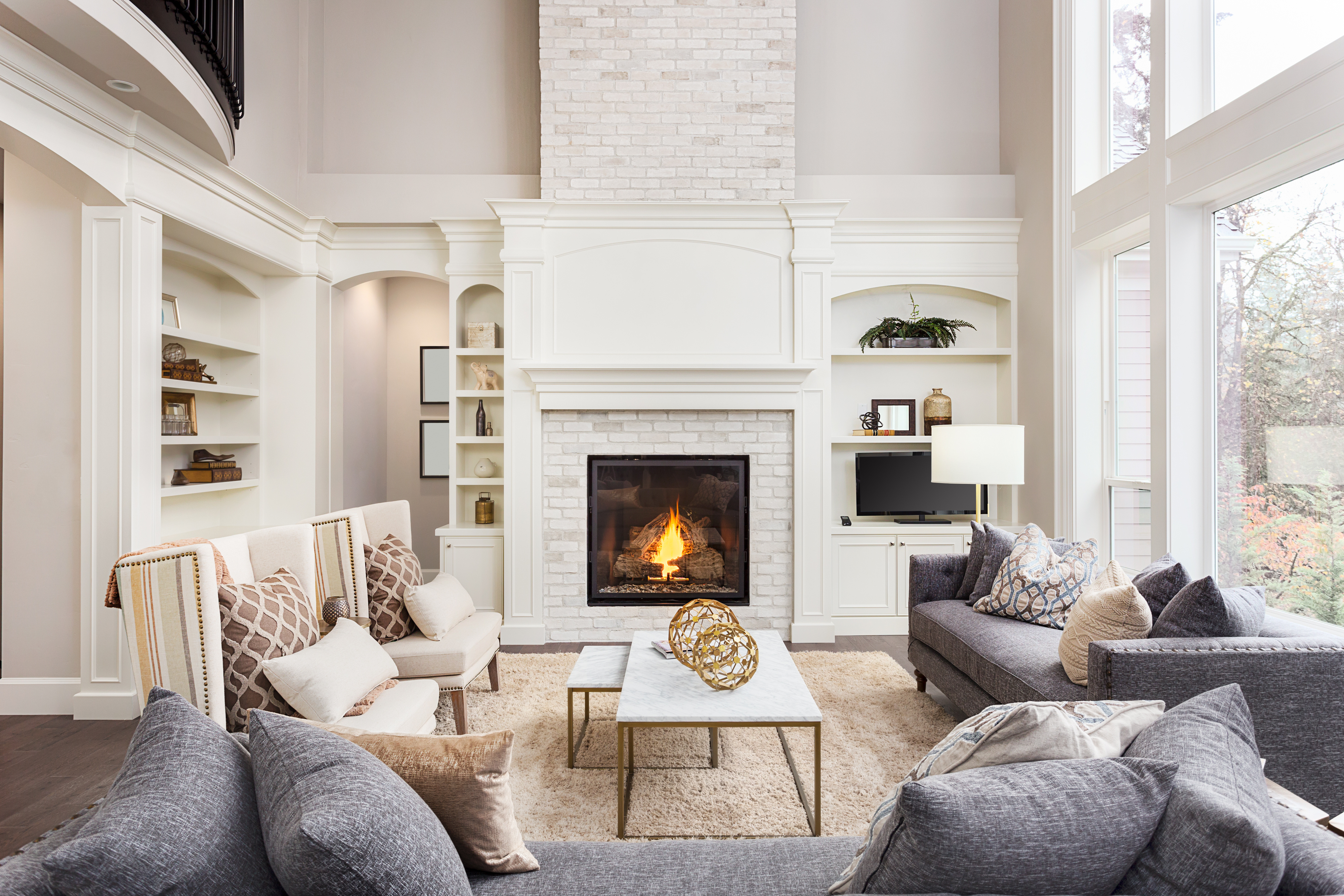
Natural light is a core principle of biophilic design. It not only reduces the need for artificial lighting but also improves mood and well-being. To bring more natural light into your home, consider installing large windows, sliding glass doors, or skylights. You can also use reflective surfaces like mirrors to bounce light around the room.
Strategically placing furniture to optimise natural light flow is another way to enhance the biophilic atmosphere. For example, positioning a desk near a window or creating a cozy reading nook in a sunlit corner will encourage daily interaction with the natural environment.

3. Introduce Plants and Greenery
Perhaps the most recognisable element of biophilic design is the use of plants. Indoor plants not only add a pop of color and texture but also purify the air and boost mood. Whether it’s a collection of potted plants, hanging greenery, or a vertical garden, plants help to create a serene and life-affirming atmosphere. Incorporating plants like ferns, succulents, or even small trees can be a simple yet effective way to mimic the natural world indoors.


4. Incorporate Water Features
Water is another essential element of biophilic design, providing a sense of tranquility and relaxation. Consider adding a small indoor water feature like a tabletop fountain, a water wall, or even an aquarium. The sound of running water has been shown to reduce stress and improve focus, making it a perfect addition to any living space.

5. Embrace Views of Nature
If you’re fortunate enough to have access to an outdoor space, maximise the view. Large windows, balconies, or terraces that open up to a garden or scenic landscape create a seamless connection between indoors and outdoors. Even if your view isn’t ideal, you can bring nature inside through artwork, plants, or natural elements placed near windows.
Incorporating biophilic design into your home is about creating a space that nurtures well-being, reduces stress, and fosters a deeper connection to the natural world. Whether through natural materials, light, plants, or water, biophilic design brings the benefits of nature indoors, creating a harmonious, calming environment that enhances both physical and mental health.
Want more? Click here for Creating the perfect indoor oasis





Leave a Reply