
If you’ve ever hesitated to pair a walnut coffee table with oak floors or a teak bed frame with pine bedside tables, you’re not alone. Mixing wood tones can feel intimidating—but when done right, it adds warmth, depth, and character to a space.
The key isn’t matching every piece of furniture perfectly. It’s about creating balance and intentional contrast so your room feels layered, not chaotic. Here’s how to mix wood tones in your home with confidence.
1. Identify Your Dominant Wood Tone First
Start by identifying the main wood tone in your space, often the floors, cabinetry, or a large furniture piece. This “anchor” sets the tone for the rest of the room. Is it warm (think honey, cherry, red oak) or cool (like ash, gray-washed wood, or espresso)? Once you define the base, you can choose complementary tones rather than competing ones.
2. Stick to a Common Undertone
Every wood has either a warm, cool, or neutral undertone. Warm woods have yellow, red, or orange hues, while cool woods lean gray, taupe, or ashy. Even if you’re using different shades, keeping your undertones consistent helps them harmonise.
Warm undertone examples: Walnut, mahogany, cherry, teak
Cool undertone examples: Ash, birch, some gray-stained woods
Neutral undertones: White oak, maple
3. Use Contrast to Create Intentionality
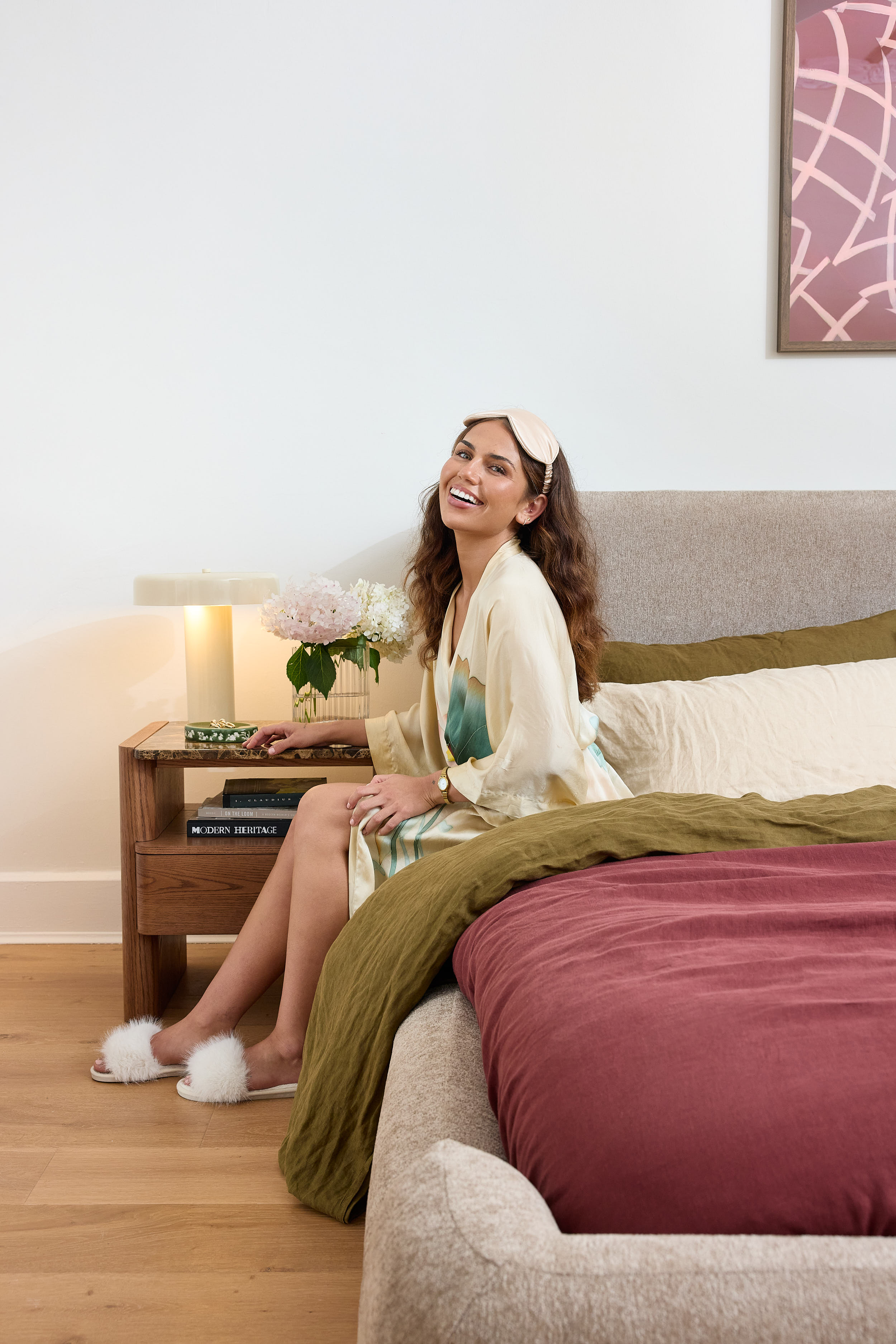
Don’t try to match two wood tones that are almost the same, they’ll likely look off. Instead, go for contrast: pair a light, natural oak dining table with dark espresso chairs, or a walnut dresser with a pale pine bed frame. High contrast looks deliberate and creates visual interest.

4. Balance Light, Medium, and Dark Tones
Think of your space like a colour palette, too much of one tone and it’ll feel flat. Use a mix of light, medium, and dark woods throughout the room. For example:
- Light: floors
- Medium: coffee table or sideboard
- Dark: picture frames or accent chairs
Distribute these tones throughout the space to help the eye move around the room.
5. Mix Wood Grains and Textures
To avoid a one-note look, vary the grain and finish of your woods. A smooth walnut dining table pairs well with weathered oak chairs or rattan accents. Just like with fabrics, the contrast in texture adds depth and richness.
6. Tie It All Together With Accents
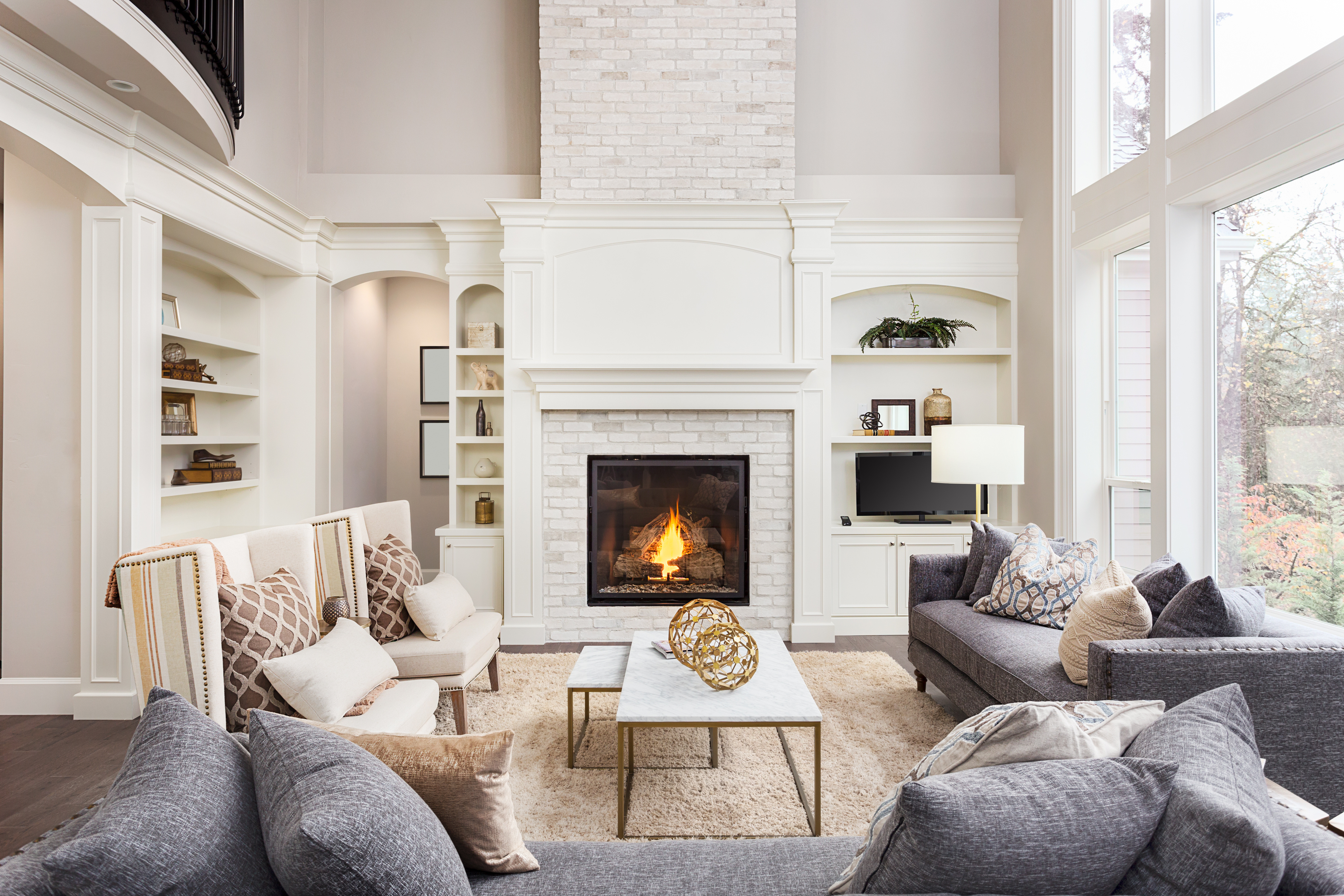
Use rugs, textiles, cushions, or art to bridge your wood tones. A jute rug under a dark wood table can soften the contrast with a light wood floor. Metal, stone, and neutral upholstered pieces can also break up strong wood pairings and give the room breathing room.
7. Use Repetition to Make It Cohesive
Introduce the same wood tone in at least two or three places in the room. If you have a walnut coffee table, repeat that tone in picture frames, open shelving, or a tray. This repetition creates rhythm and prevents any one piece from feeling out of place.
Mixing wood tones isn’t a mistake, it’s an opportunity to create a more interesting, lived-in space. When done with intention, different wood finishes can add richness and authenticity to your home. Stick to consistent undertones, use contrast wisely, and repeat your chosen tones to tie everything together. Your home doesn’t need to match, it needs to flow.



Leave a Reply